Journal
Behind the Shoot: The Percher, Sunshine Coast
Planning, light decisions, and the frames that tell the story of a coastal modern home perched above the Pacific.
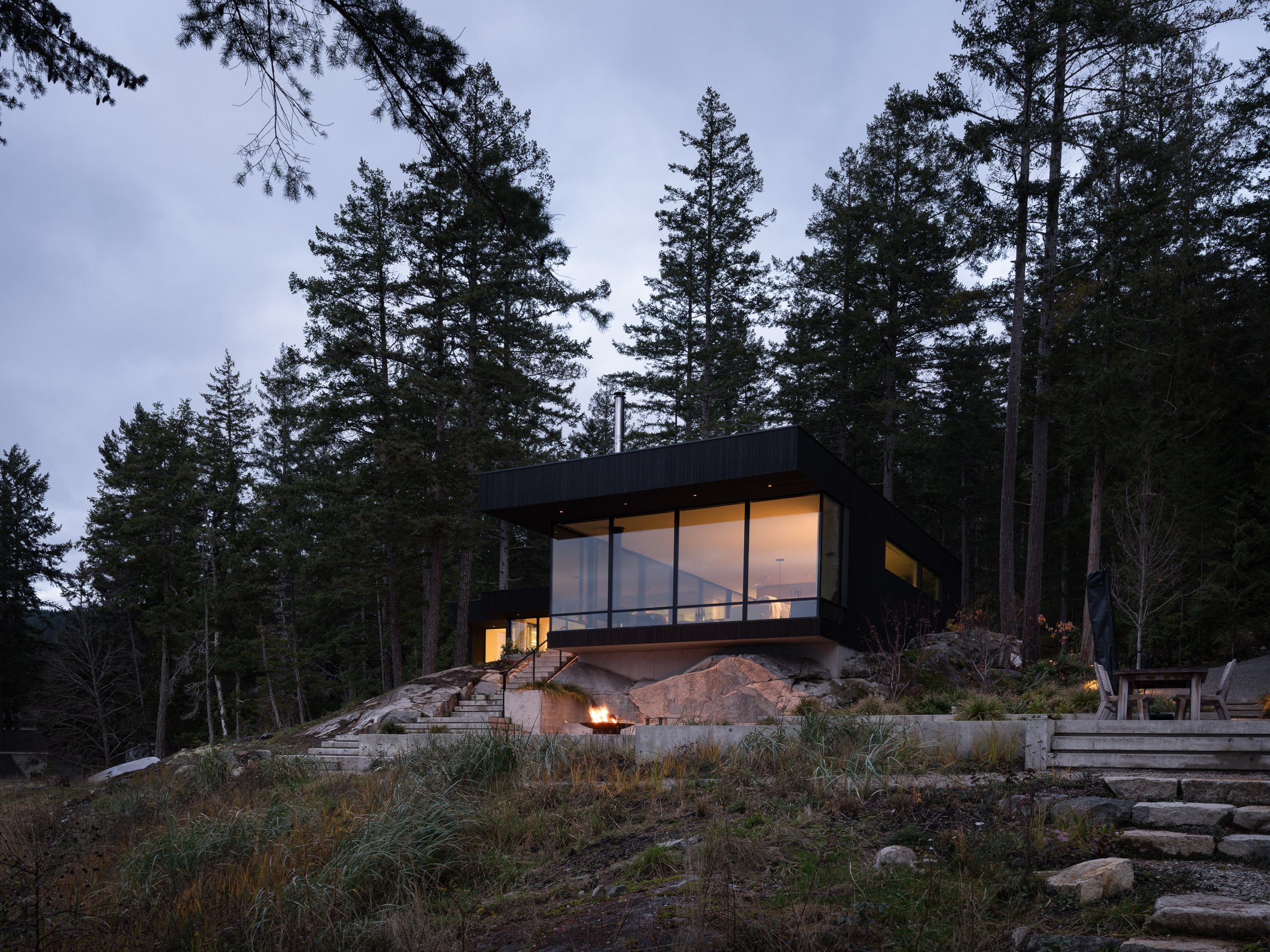
The Percher sits above the ocean on BC's Sunshine Coast, designed by Michel Laflamme Architect and built by Summerhill Fine Homes. It's a home that was conceived around its relationship with the landscape: the water, the forest, the light that shifts across the Pacific throughout the day. Photographing it meant understanding that relationship first and composing around it second.
This is a look at how that shoot was planned, what decisions were made on the day, and what the resulting images were designed to communicate.
The Site Visit: Reading the Light
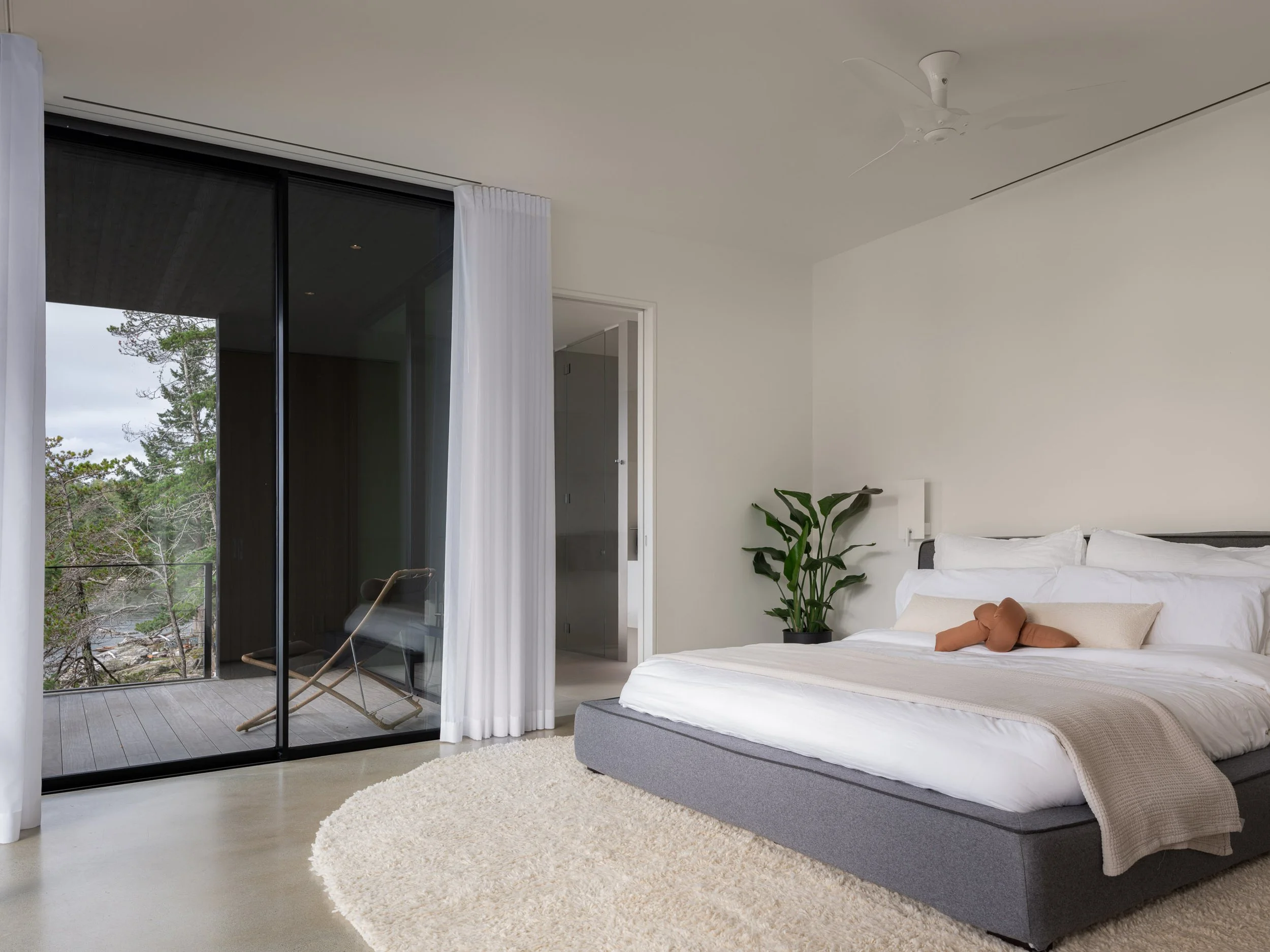
Every project shoot starts with a site visit, and at The Percher, the site visit was the most important hour of the entire engagement. The property faces west, looking out over the Strait of Georgia. That orientation means the primary ocean views receive direct afternoon and evening sun, while the morning light wraps around the back of the building, entering the east-facing bedrooms and secondary spaces.
This determined the entire schedule. Interiors with ocean views needed to be shot in the morning, when the light was soft and indirect, avoiding the blown-out glare that afternoon sun would push through the floor-to-ceiling glazing. The dramatic exterior, the signature view of the home perched above the water, needed late afternoon and twilight, when the sun was behind or beside the camera and the west-facing facade caught warm light.
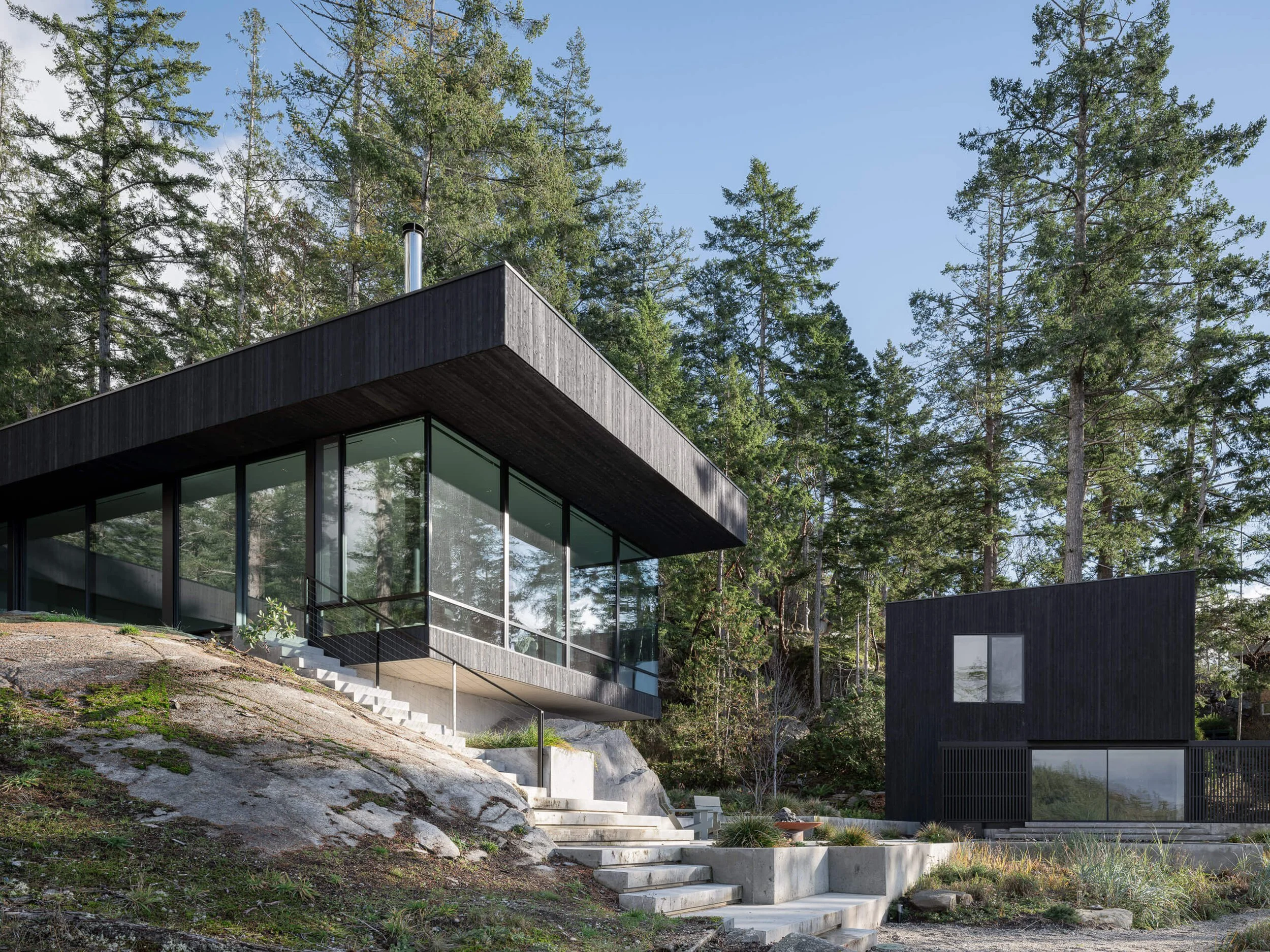
The site visit also revealed the drone angles. From the ground, The Percher reads as a modern home on a hillside. From above, you see what the architect actually designed: a building that steps with the terrain, following the natural grade of the slope, with the ocean stretching out beyond. That aerial perspective became one of the most important images in the set because it communicates the site strategy that no ground-level photograph can.
Morning: The Interior Sequence
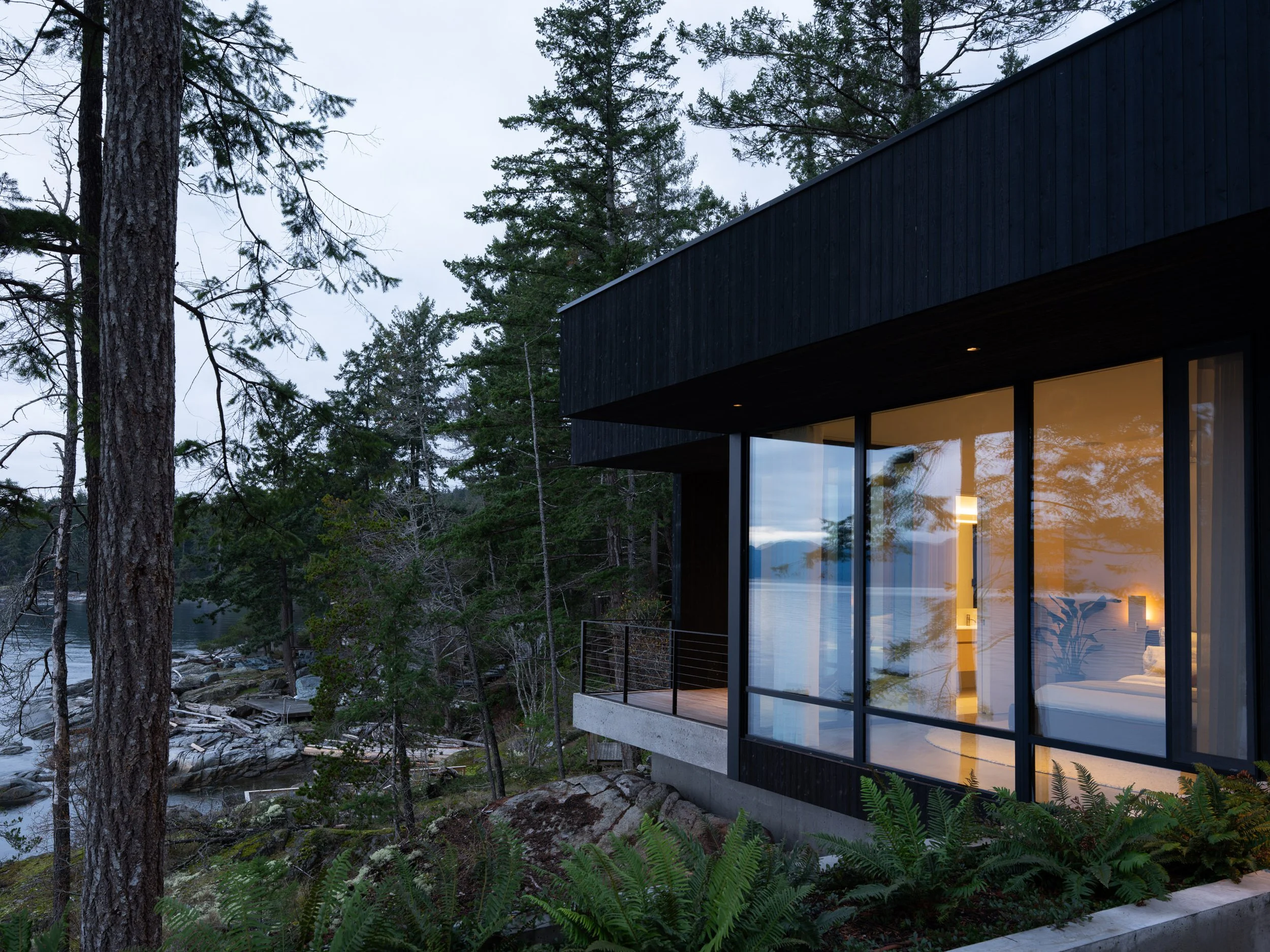
We started at 7am with the east-facing spaces. The bedrooms and secondary living areas received soft, warm morning light that revealed the wood grain and natural material palette without creating the harsh contrast that direct sun produces. These rooms are intimate, quieter spaces, and the morning light matched their character.
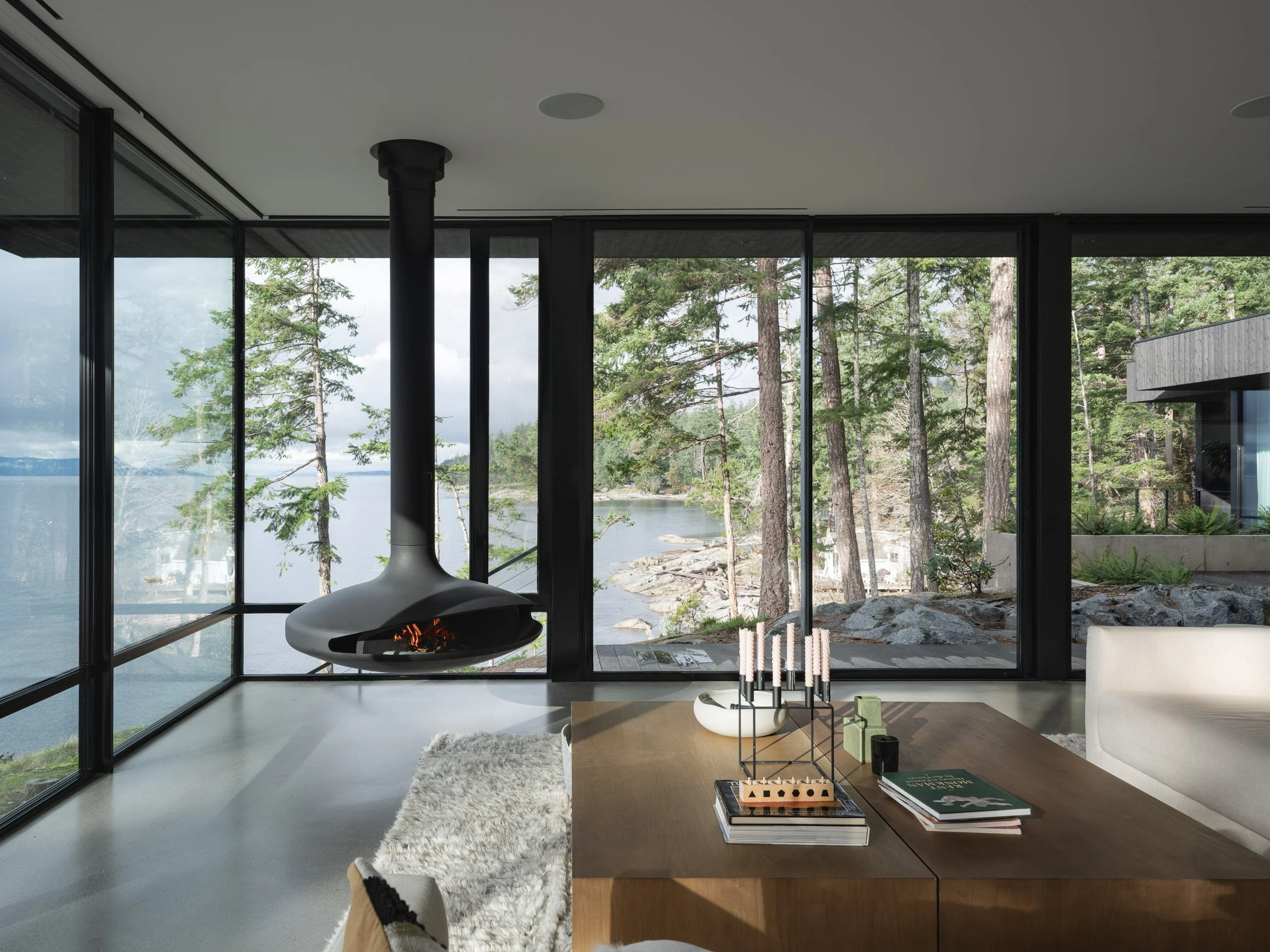
By 9am, the light had shifted enough to move into the main living areas. The open-plan kitchen, dining, and living space is the architectural centrepiece of the home: a long, continuous volume with full-height glazing on the ocean side and a suspended fireplace that anchors the seating area. The design intent here is about flow, about the way the eye moves from the kitchen through the dining table past the fireplace to the ocean beyond.
Capturing that flow required a specific camera position: low enough to show the material continuity of the floor plane, high enough to include the ceiling line, and angled to create a diagonal that draws the viewer through all three zones in a single frame. That one composition took about 40 minutes to finalise. Moving a chair two inches. Waiting for a cloud to diffuse the light. Adjusting the blinds to manage a hot spot on the floor. The kind of work that doesn't show in the final image because it's not supposed to.
The Suspended Fireplace
Every project has a hero detail, a single design element that crystallises the project's character. At The Percher, it's the suspended fireplace. It's the first thing your eye goes to when you enter the living space, and it's the image that stops people when they're scrolling.
Photographing it required isolating it from the surrounding space while still showing its relationship to the room. A tight composition that includes the fireplace, the floor beneath it, and a glimpse of the ocean through the glass beyond. The suspended form against the horizontal plane of the water. The dark metal against the light wood. The warmth of fire against the cool blue of the strait.
These are the kinds of decisions that design intent photography is built on. The composition isn't just showing a fireplace. It's showing why this fireplace, in this position, in this home, matters.
Afternoon: Material Details and Secondary Spaces
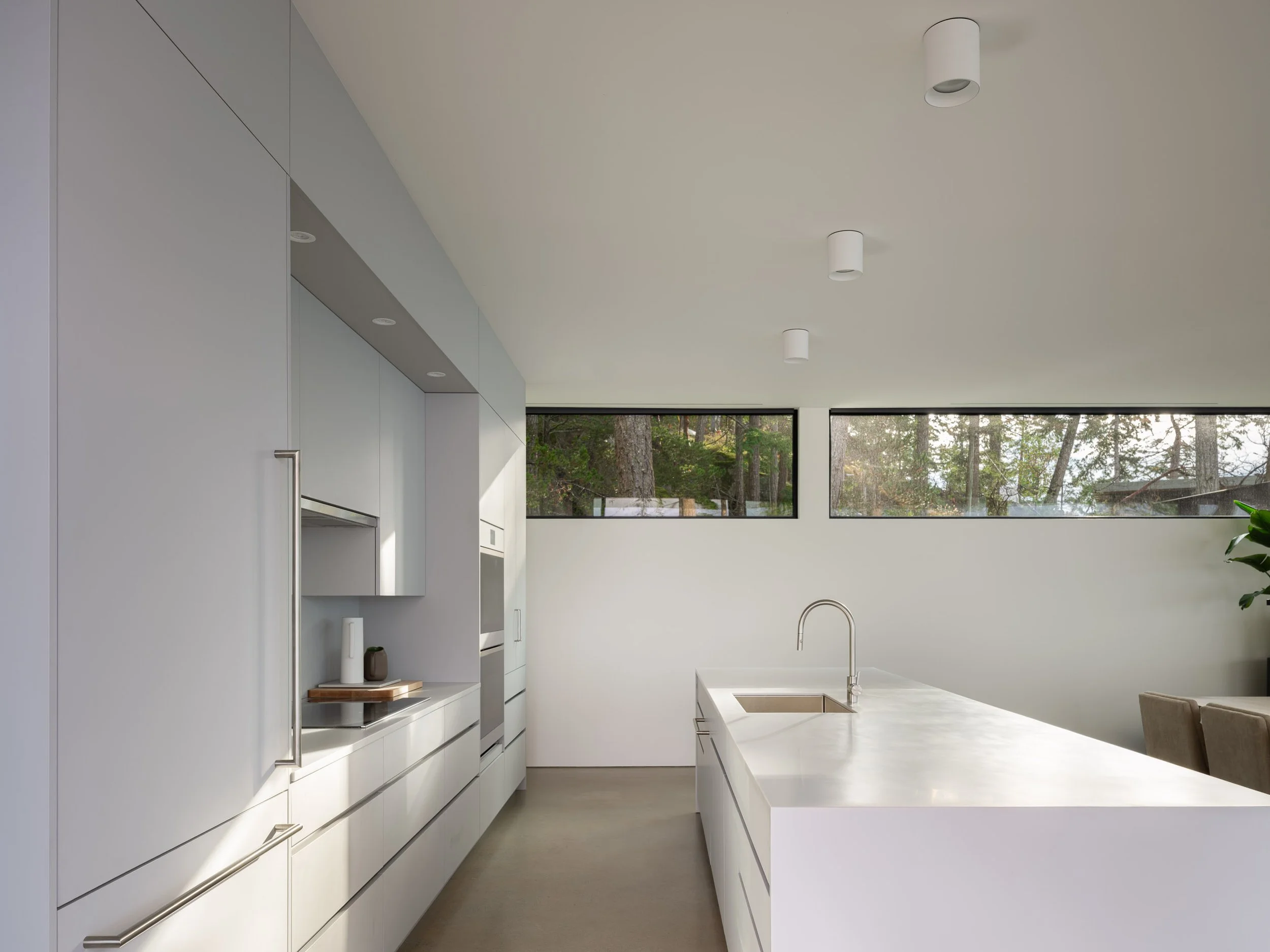
The middle of the day was dedicated to the work that doesn't get the glory but builds the depth of the image set. Material close-ups: the junction between the wood cladding and the concrete foundation. The texture of the kitchen countertop. The hardware on the custom cabinetry. The way the handrail meets the staircase post.
These detail shots serve a specific purpose in the broader set. They support written claims in award submissions. They provide variety for social media. They demonstrate to prospective clients that the builder's attention to detail extends to every junction and intersection, not just the big gestures. A portfolio of wide shots alone is impressive but incomplete. The details are what prove the quality of the execution.
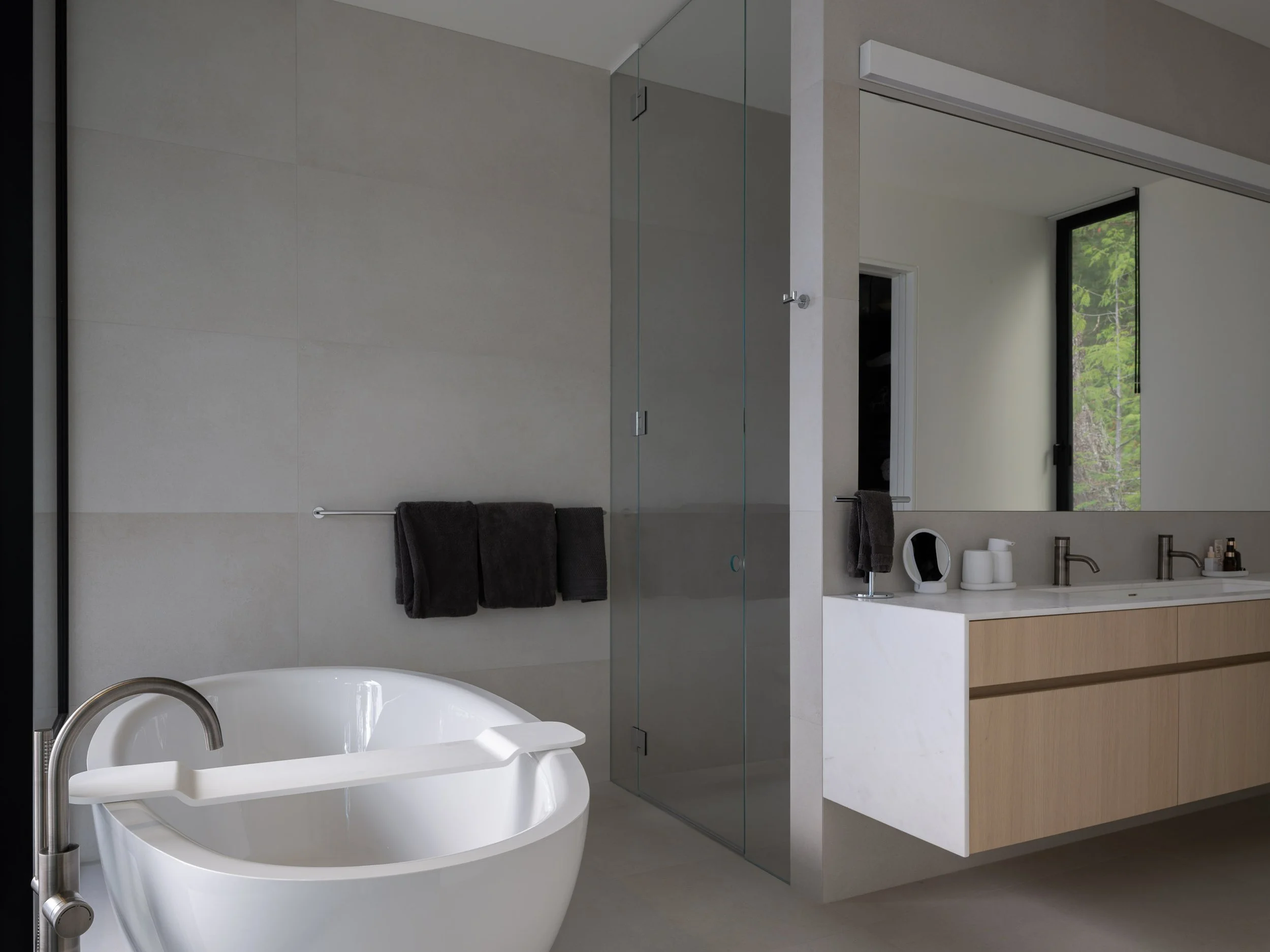
The bathrooms were shot during this window as well. Overcast afternoon light through frosted glass produces even, flattering illumination that reveals stone and tile textures without creating reflections on wet surfaces. Both the main ensuite and the secondary bathroom were staged minimally: fresh towels, a single object on the vanity, nothing else. The materials do the talking.
Golden Hour and Twilight: The Signature Frames
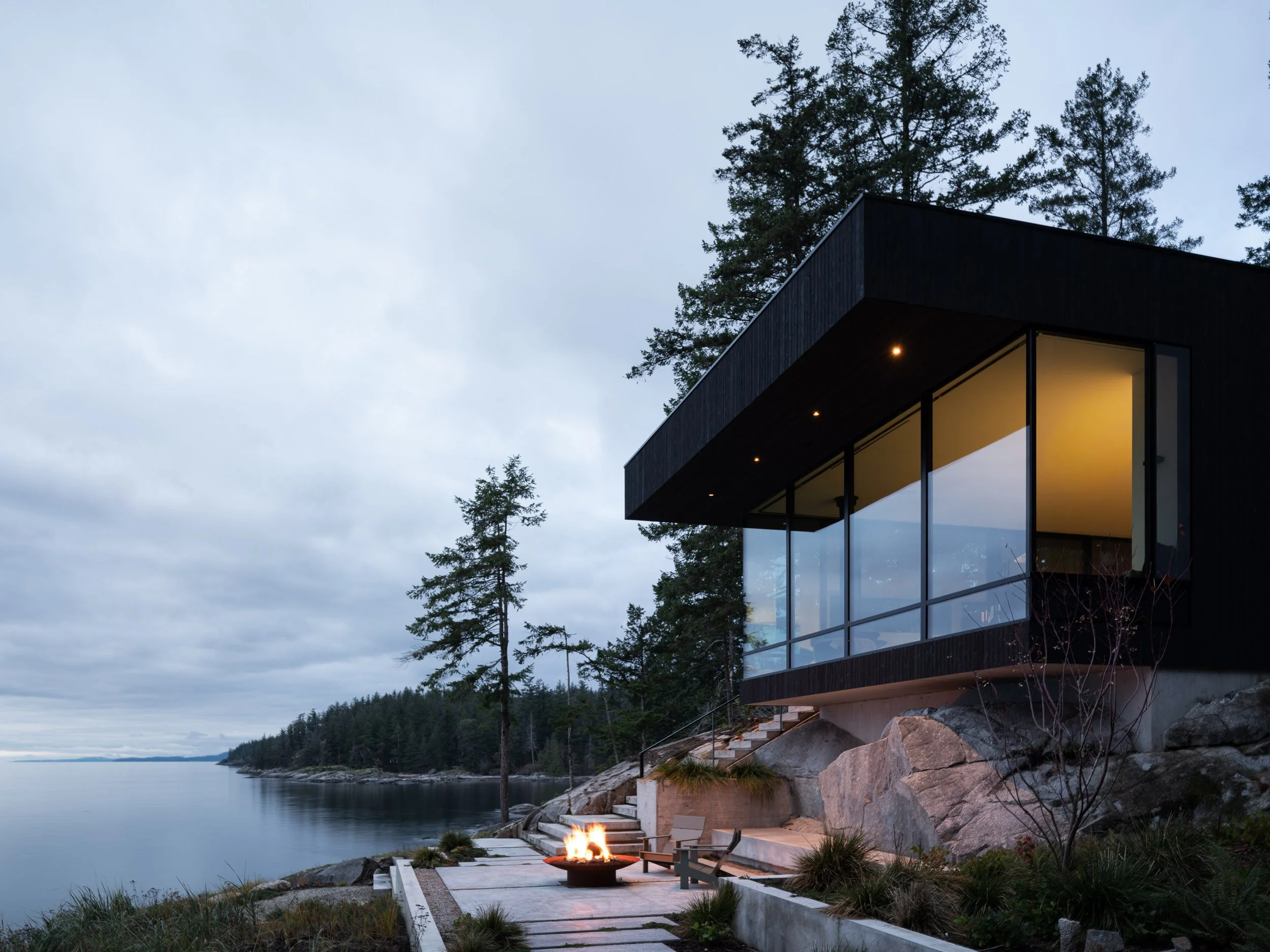
By 5pm, the light was where we'd been waiting for it all day. The sun dropped toward the horizon, casting warm, angular light across the west-facing facade. The dark wood cladding came alive, the shadows gave the building dimension, and the ocean behind turned from flat grey to deep blue with golden highlights.
The exterior sequence moved quickly. Wide establishing shot showing the full building in its coastal setting. Medium shot focusing on the entry and the material palette. Detail of the cladding and glazing system. Each frame was pre-planned from the site visit, so the execution was efficient. In golden hour, every minute counts.
Twilight arrived around 30 minutes after sunset. Every interior light was already on. The sky shifted to deep blue. The interior glow through the glazing created the warmth-against-cool contrast that defines twilight architectural photography. We had roughly 25 minutes of usable light. Three exterior positions, pre-scouted, pre-framed. The tripod marks were already in place from the site visit.
The final frame of the day was the wide twilight exterior: the home glowing against the darkening sky, the ocean a deep navy below, the forest silhouetted on either side. It's the image that leads the project page, the image that gets submitted for awards, the image that communicates in a single frame why this home exists on this site.
What the Final Set Communicates
The delivered image set for The Percher contains a complete narrative. The aerial establishes the site strategy. The exterior at golden hour shows the material palette and architectural form. The twilight shot communicates atmosphere and livability. The interior sequence moves through the home as a visitor would: entry, living space, kitchen, dining, bedrooms, bathrooms. The details prove the craft.
Together, these images tell the story of a home that was designed around its relationship with the Sunshine Coast landscape. They communicate the architect's decisions about orientation, materiality, and spatial flow. And they do it in a way that serves Summerhill's brand across every channel: website, social media, award submissions, proposals, and editorial pitches.
That's what happens when photography is planned around design intent rather than composed on instinct. Every frame has a reason. Every composition communicates something specific. And the final set isn't just beautiful. It's strategic.
View the Full Project
See the complete image set from The Percher on the project page, or read about the broader Summerhill partnership in the case study.


Want this level of intention for your project?
Let's start with a conversation about what you built and why it matters.
Book a Discovery CallSquamish, British Columbia