Journal
Documenting Design Intent: Why the Best Photography Starts Before the Build is Finished
The case for bringing your photographer into the conversation early, and what gets lost when you don't.
There's a moment in every project, usually a few weeks before completion, when the design intent is most visible. The staging hasn't been compromised by the homeowner's furniture. The materials are pristine. The sightlines are clear. The space exists exactly as the architect and builder envisioned it.
That window is short. Once the homeowner moves in, the house becomes a home. Personal belongings appear. Furniture that wasn't part of the design plan fills rooms. Artwork goes up on walls that were meant to read as clean planes. The dog bed shows up in front of the fireplace. Life happens, which is wonderful for the people who live there and challenging for anyone trying to document the design decisions that made the space what it is.
This is why the best architectural photography starts before the build is finished. Not days before. Weeks before. Early enough to plan, prepare, and compose with the design narrative as the guide.
What Design Intent Actually Means
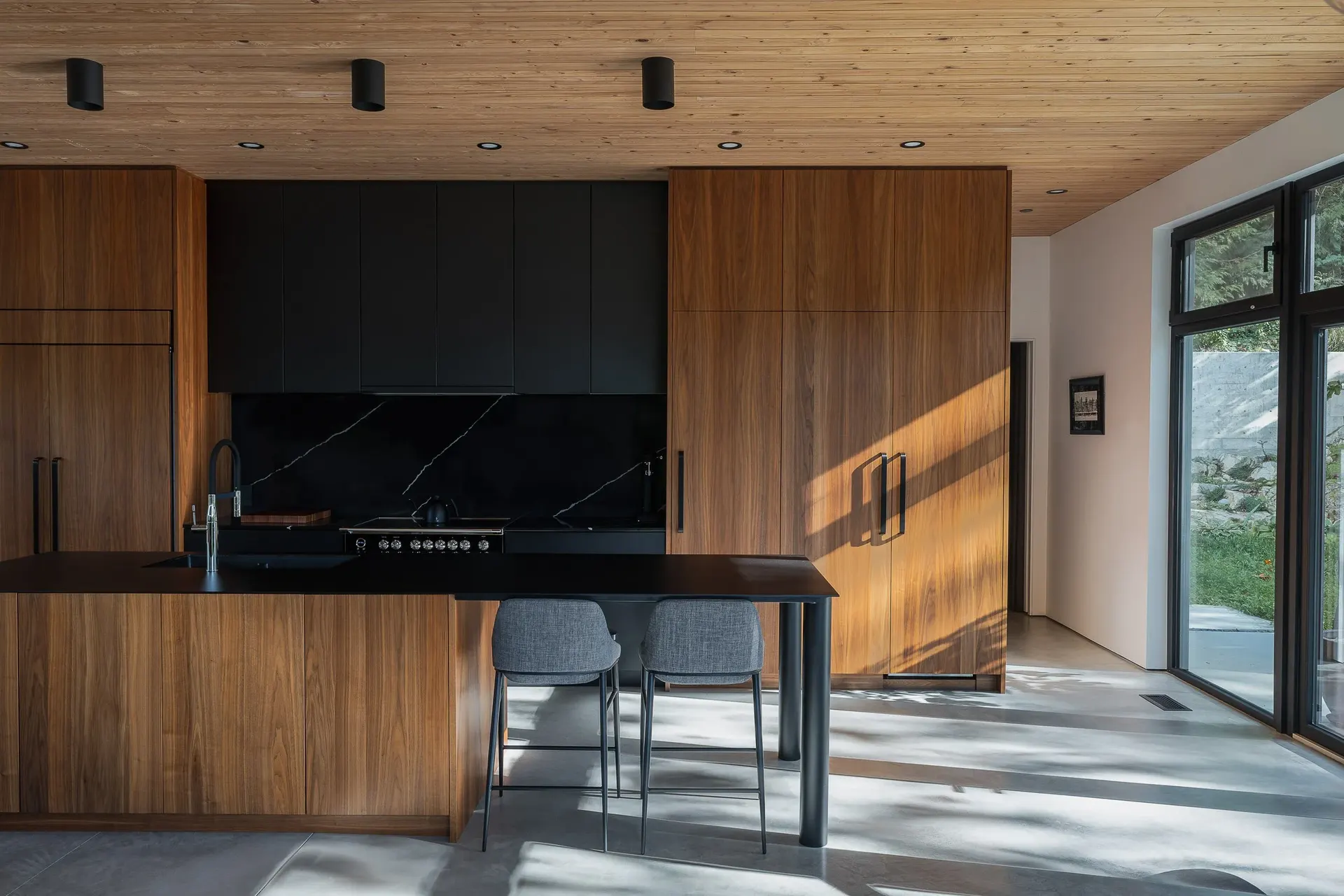
Design intent is the collection of decisions that make a project what it is. It's the reason a window was placed at a specific height to frame a specific view. It's the choice of standing seam metal over cedar shingles. It's the relationship between the kitchen island and the sight line through to the garden. It's the way the hallway compresses before the living space opens up.
These decisions are invisible to most people. A homeowner experiences the result: a beautiful room with a nice view. A visitor might notice the materials or the proportions. But a peer, a juror, an editor, or a prospective client needs to see the reasoning. They need to understand not just what the space looks like but why it was designed this way.
That's what architectural photography should communicate. Not how a room looks, but why it works. And communicating that requires understanding the design narrative before composing a single frame.

The Conversation That Changes Everything
The difference between documentation photography and design intent photography begins with a single conversation. Not a call about logistics and scheduling. A conversation about the project.
What was the brief from the client? What constraints did the site impose? Where did the architect make their boldest decisions? What material choices were debated, and why did the final selection win? What's the one thing about this project that the design team is most proud of and most wants people to notice?
These questions might sound unusual coming from a photographer, but they're the foundation of meaningful architectural imagery. Without this context, a photographer composes based on aesthetics: what looks good through the lens. With this context, they compose based on intent: what communicates the design story to an informed audience.
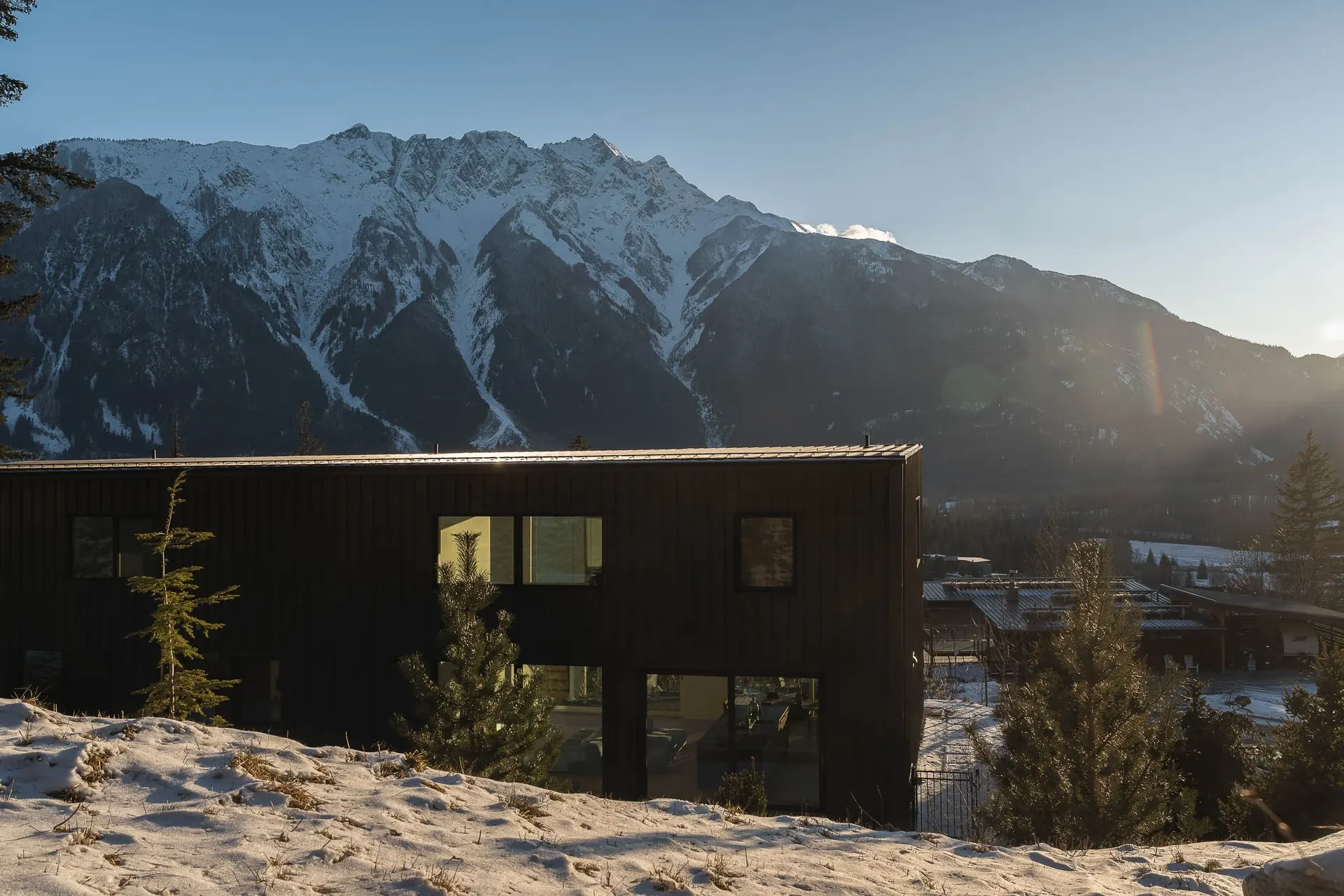
The frame that captures the way a low window seat aligns with the mountain ridge line isn't an accident. It's a composition designed to reveal a relationship that the architect carefully orchestrated. But the photographer only knows to look for that relationship if they've had the conversation.
What Gets Lost When You Wait
The most common scenario goes like this: the project finishes, the homeowner moves in, and six months later someone decides it's time to get photos for the website. Maybe an award deadline is approaching. Maybe the builder is updating their portfolio. Whatever the trigger, the photographer arrives at a house that has been lived in for half a year.
By this point, several things have changed. The staging is the homeowner's, not the designer's. The landscaping may have matured nicely, or it may have been altered from the original plan. Surfaces that were pristine at completion now show the normal wear of daily life. The designer may no longer be available or engaged with the project.
More importantly, the photographer has no relationship with the design process. They didn't see the drawings. They didn't attend the site during construction. They don't know which window placement was the design team's proudest moment or which material transition took three rounds of samples to resolve. They're composing blind, relying entirely on their aesthetic instincts rather than the design narrative.
This isn't a criticism of the photographer. It's a structural problem. When photography is disconnected from the design process, it can only document surfaces. It can't communicate intent.

The Pre-Completion Window
The ideal time to photograph a project for maximum design clarity is during the final two to four weeks before handover. At this stage, the space is substantially complete, all major finishes are installed, and the design team still has full control over staging and presentation.
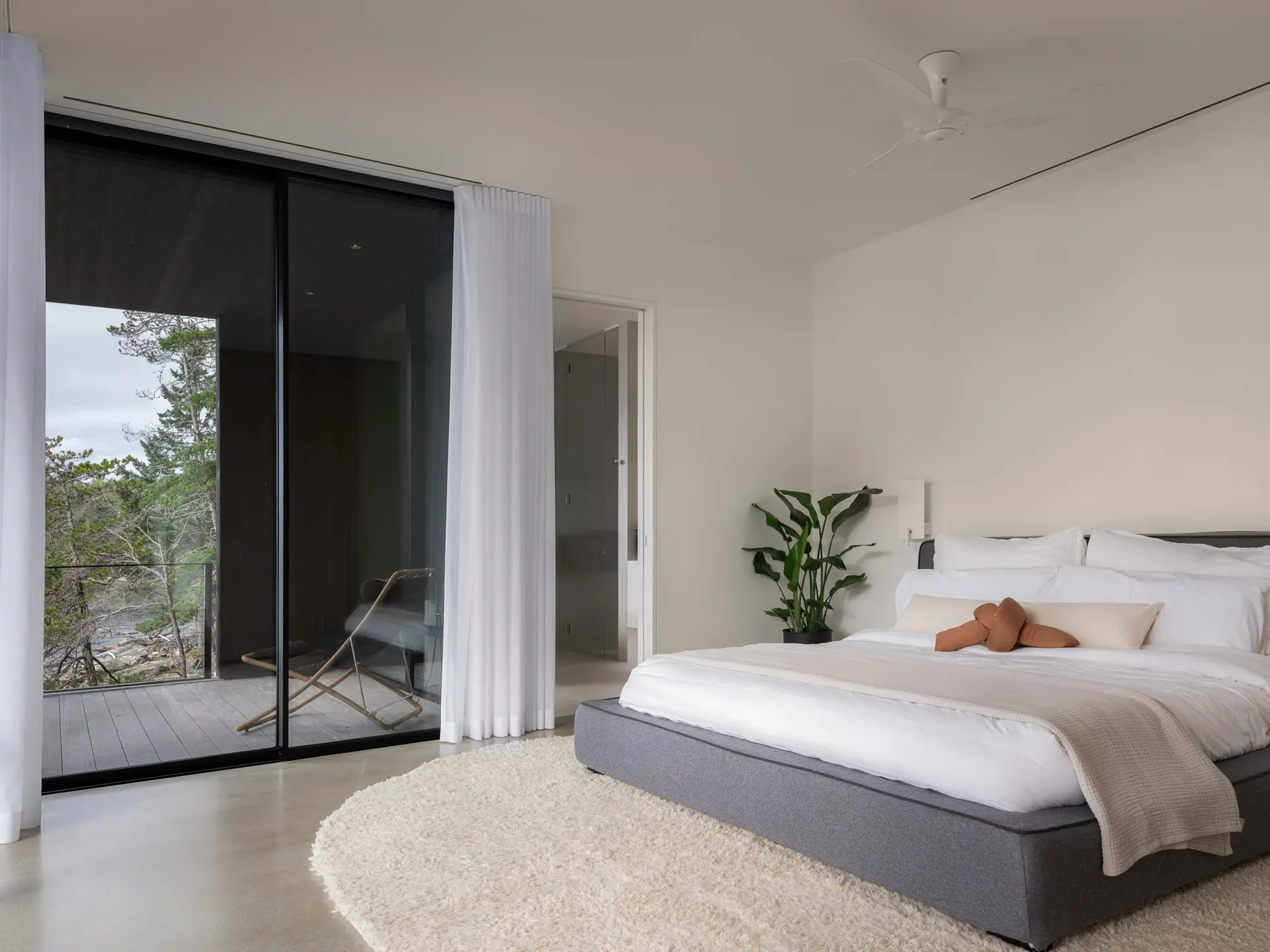
This window allows for several things that become difficult or impossible after occupancy. The design team can stage the space with furniture and accessories that support the visual narrative rather than personal taste. Surfaces can be cleaned and detailed to pristine condition. Problem areas, a baseboard that needs touching up, a light fixture that hasn't been installed, a deck railing that's still missing, can be identified and addressed before the camera comes out.
It also allows the photographer to work without the social complexity of shooting in someone's home. No negotiating around the homeowner's schedule. No moving personal items out of frame. No explaining why the family photos need to come off the mantle for a few hours. The space is still a project, not yet a home, and that distinction makes an enormous difference in the quality and authenticity of the final images.
How This Actually Works in Practice
The process starts four to six weeks before the anticipated completion date. The photographer reviews the drawings, typically floor plans and sections, to understand the spatial organisation and identify the key views. If the architect has rendering or design development images, those are useful references for understanding the intended experience of each space.
A site visit follows, ideally with the architect or the builder present. This is where the design narrative takes physical form. The photographer can see how light enters each space at different times of day, identify potential challenges (a neighbouring building that creates unwanted shadow, a window that faces directly into a fence), and develop a preliminary shot list.
The shot list is then refined in conversation with the design team. Which views best communicate the project's defining qualities? Which materials need close-up attention? Which spatial sequences should be captured as a progression rather than isolated frames? What's the single most important image in the set, the one that would lead the submission or the portfolio page?
By shoot day, the photographer arrives with a plan that has been shaped by the design intent, not just by what looks good through a viewfinder. Every composition has a purpose. Every frame communicates something specific about why this project was designed the way it was.
The Pre-Shoot Design Conversation
What was the original brief? Understanding what the client asked for reveals the design constraints and ambitions.
What were the biggest site challenges? The solutions to site constraints often define the most interesting architectural moves.
Which material choices were hardest? The decisions that took the most deliberation are usually the ones worth photographing in detail.
What should a viewer notice first? This shapes the hero image and the compositional hierarchy of the entire set.
What's invisible but important? Energy performance, structural innovation, or accessibility features that don't photograph obviously but can be communicated with the right composition.
Why Architects Should Care About This
For builders, good photography sells future projects. For architects, it does something additional: it preserves the design legacy. The photographs of a completed project are often the only record of the architect's vision as it was intended to be experienced. Once occupied, the space evolves. Furniture changes. Renovations happen. Landscaping matures or is altered.
The images captured at the moment of completion, when the design is fully realised and unaltered, become the definitive visual record. They're what gets published. They're what gets submitted for awards. They're what appears in the architect's portfolio for years, sometimes decades. They're how the industry remembers the project.
If those images are generic documentation that could have been shot by anyone, the design legacy is diminished. If they're composed to reveal the specific reasoning behind every significant decision, the design legacy is preserved and communicated with the clarity it deserves.
This is why the relationship between architect and photographer matters so much. The architect holds the design narrative. The photographer translates it into images. When both are invested in communicating intent rather than just capturing appearances, the result is work that serves the project, the practice, and the profession.

The Gap Between Good and Intentional
There are many photographers who can take a beautiful photograph of a building. The light is right, the composition is balanced, the editing is clean. These are good photographs. They look great on a website. They work fine on social media.
But there's a gap between a good photograph of a building and an intentional photograph of a design decision. The first shows you what the space looks like. The second shows you why it matters. The first could have been composed by anyone with the right equipment and a good eye. The second could only have been composed by someone who understood the design narrative.
That gap is the difference between documentation and communication. And it's the difference between imagery that serves you for a year and imagery that serves you for a decade.
Closing that gap requires one thing: starting the conversation before the project is finished. Everything else follows from there.

Have a project approaching completion?
The best time to start the photography conversation is before the drywall goes up. The second best time is now.
Book a Discovery Call