Journal
How Summerhill Fine Homes Built a Visual Brand Through Ongoing Photography
What a Creative Partner relationship looks like in practice, and why consistency compounds.
Summerhill Fine Homes faced a disconnect between their reputation and visual presence. Despite building ambitious custom homes on the Sunshine Coast, their website and social media did not reflect the calibre of their work. Photography was inconsistent. Some projects had professional images while others relied on phone photos. Social presence was sporadic, and award submissions used retrofitted images rather than purposefully composed ones.
This situation is common among custom builders: exceptional construction work undermined by fragmented visual documentation lacking unified standards.
The Shift: From Vendor to Creative Partner
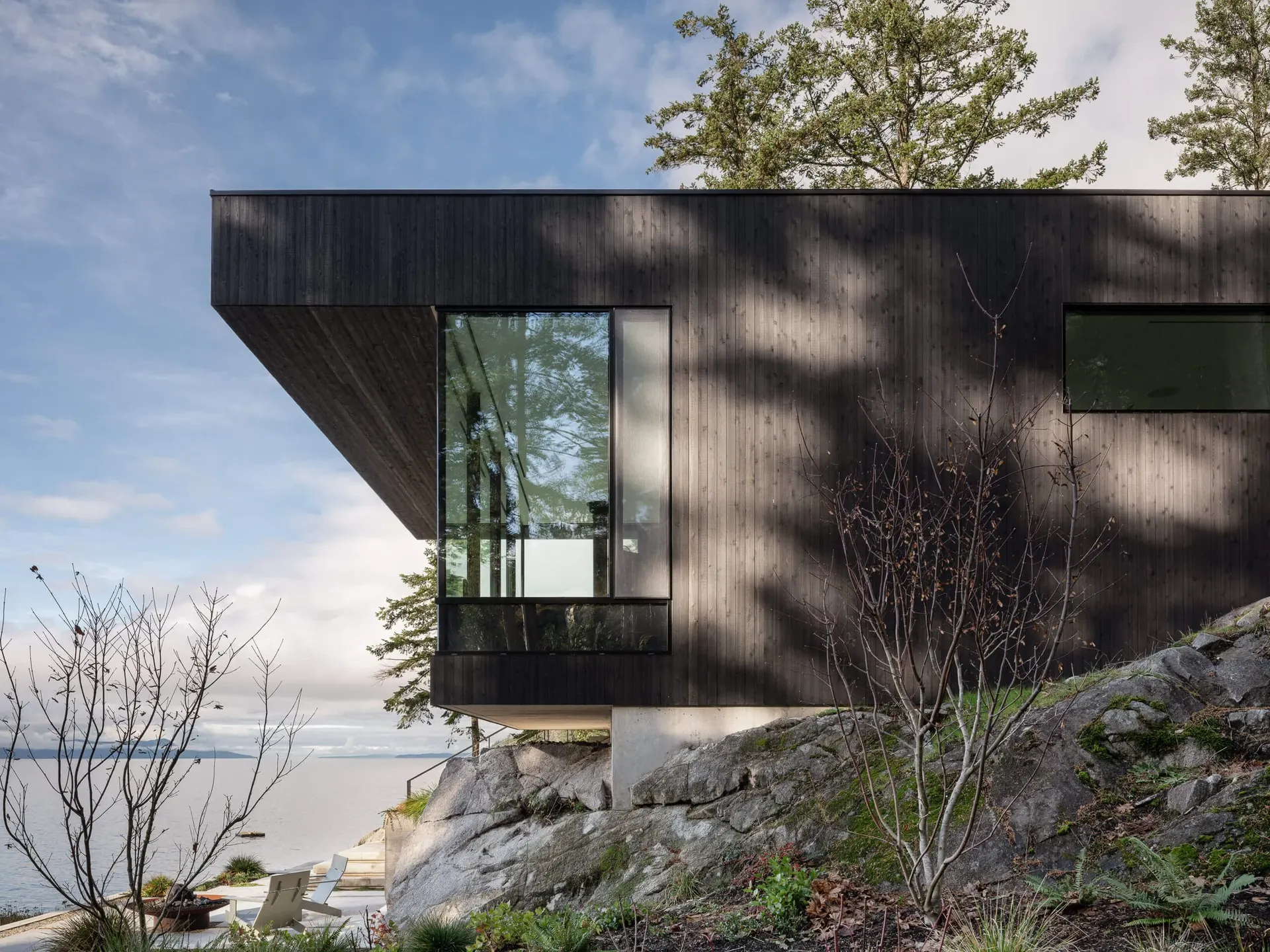
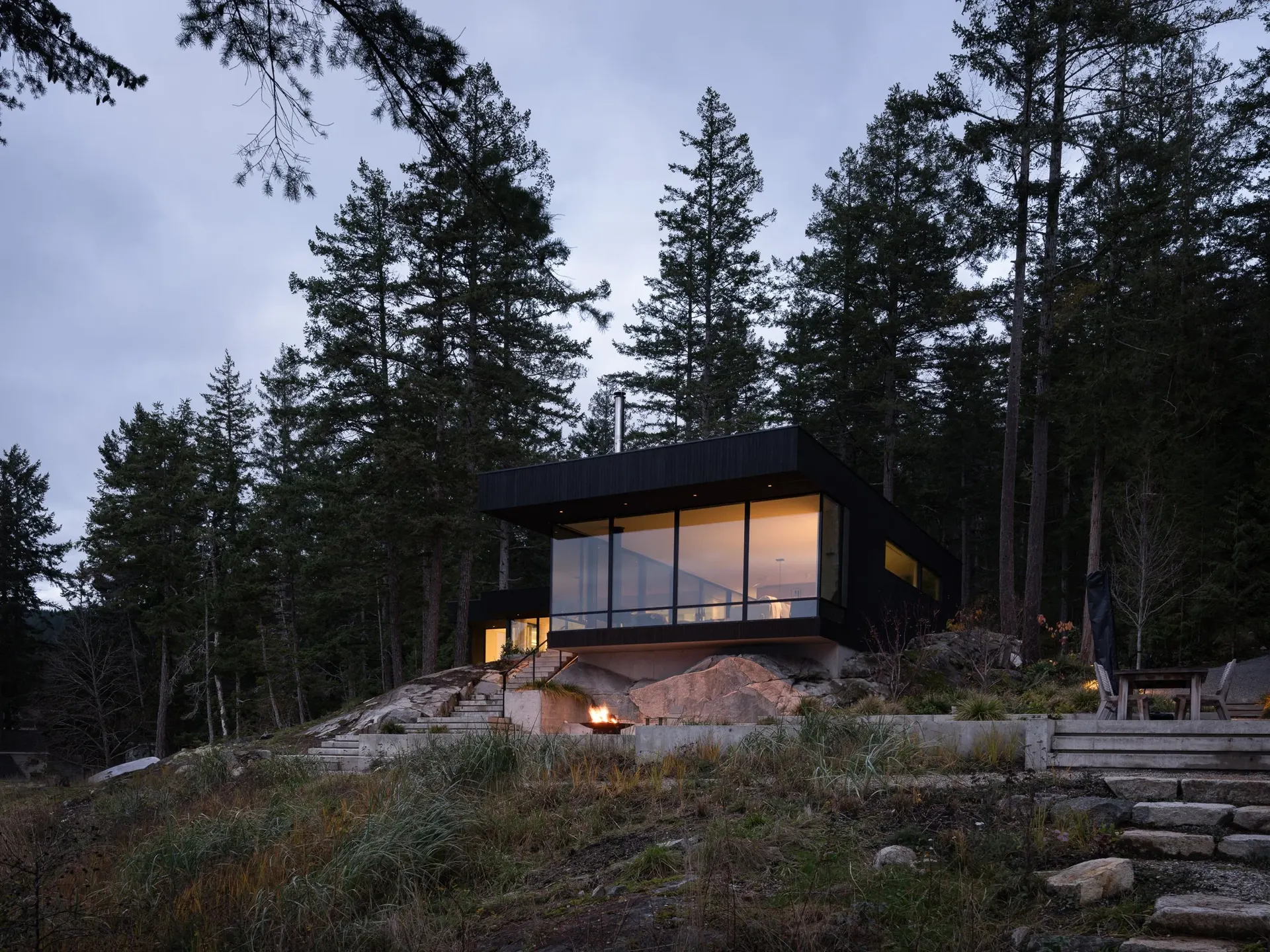
The initial engagement began with one project: The Perch, a coastal modern home designed by Michel Laflamme Architect. The scope included architectural photography, video, and aerial work.
During the first shoot, a larger need emerged. Summerhill required a consistent visual system documenting every project, team member, and build phase to a uniform standard aligned with their brand identity.
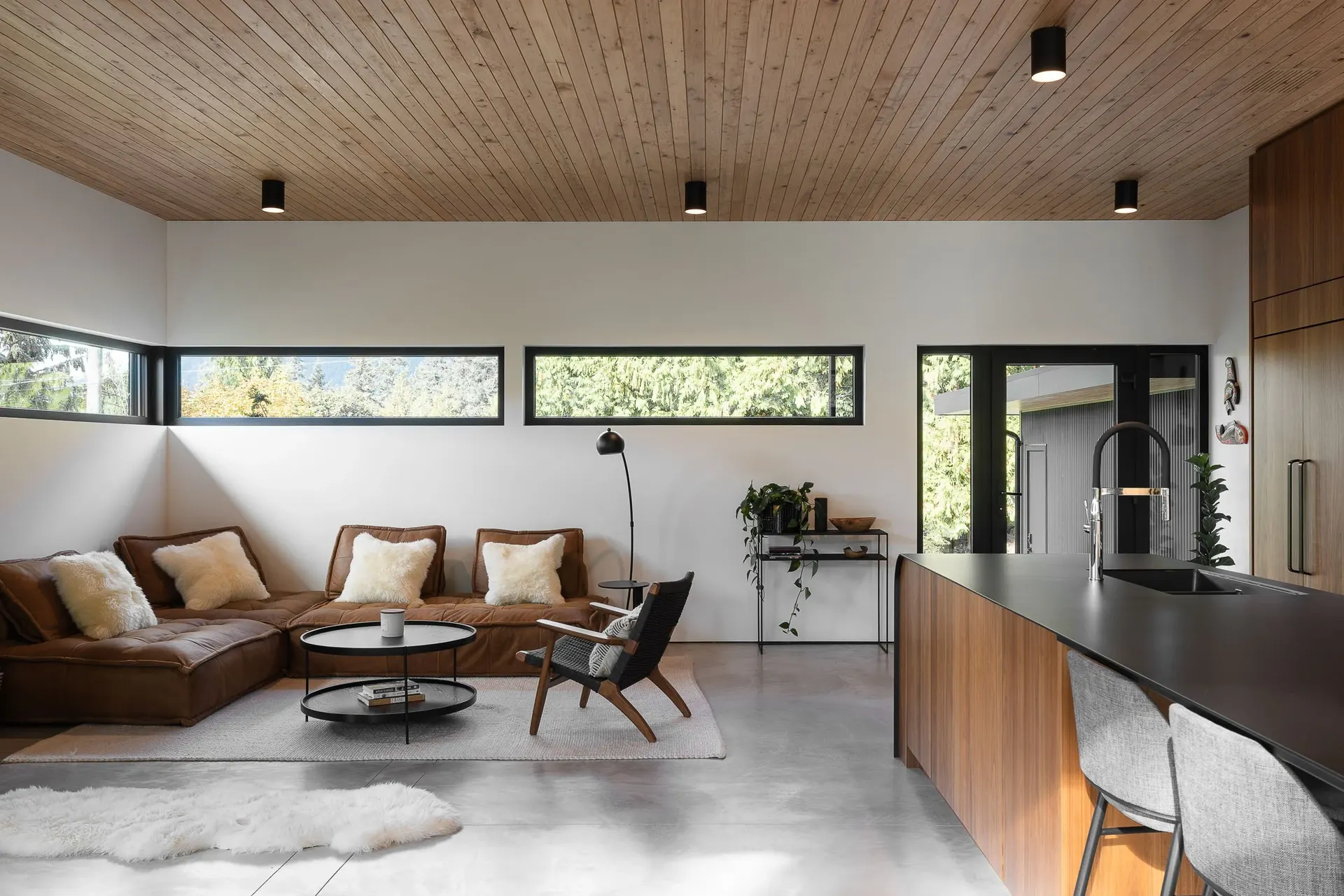
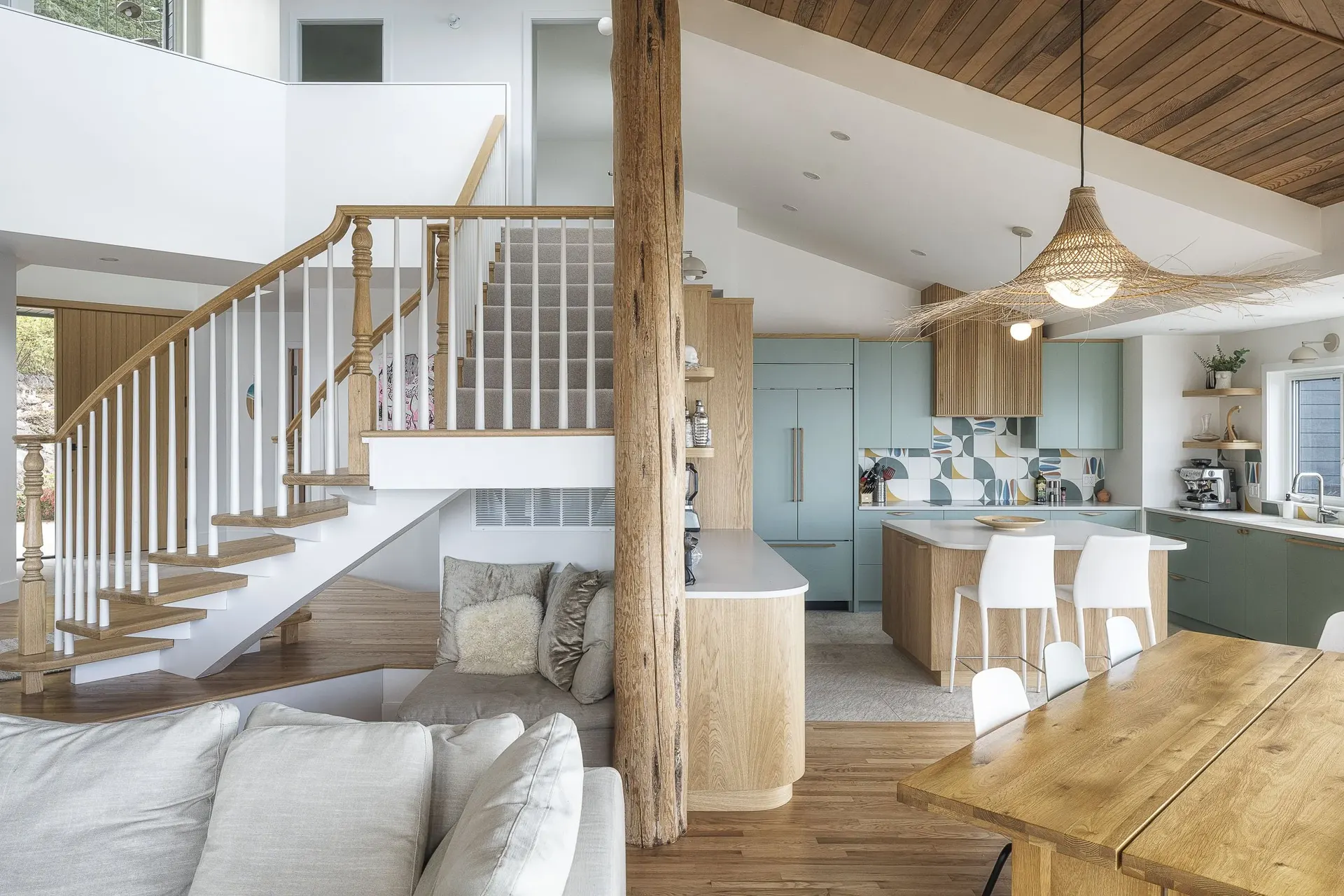
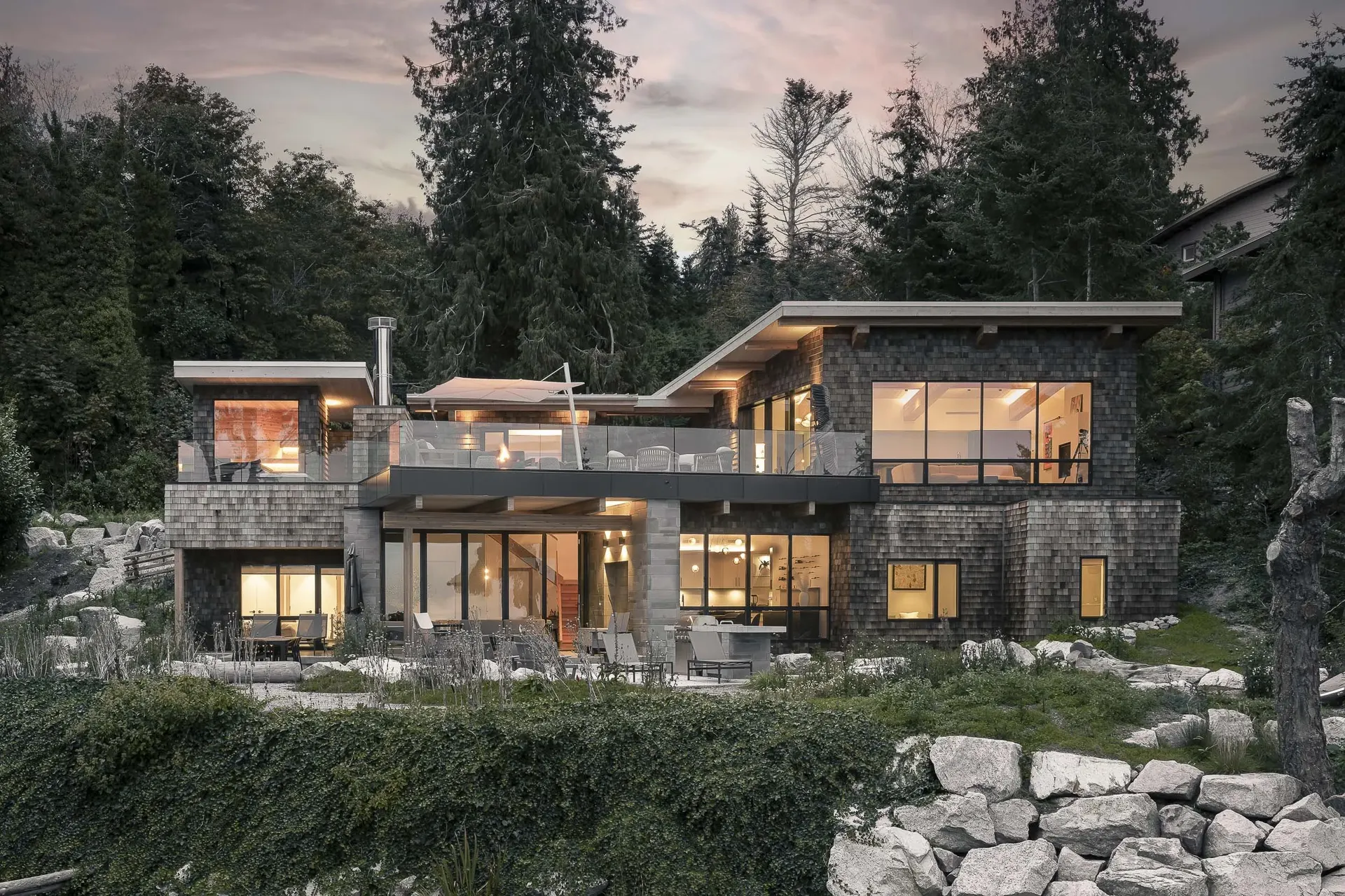
The initial project expanded into five: The Perch, Tranquil Retreat, Browns Residence, Modern Residence, and Art Deco Reno. Each received the same approach, understanding design intent, timing for optimal light, and capturing architecture, interiors, aerials, team portraits, lifestyle content, and progression documentation.
The distinction between hiring a photographer repeatedly versus partnering as a visual strategist lies in accumulated knowledge. By project two, brand understanding deepens. By project three, shot anticipation becomes intuitive. By project five, a unified visual language emerges and reinforces itself.
The Visual Library
What the library actually contains
Architectural Photography
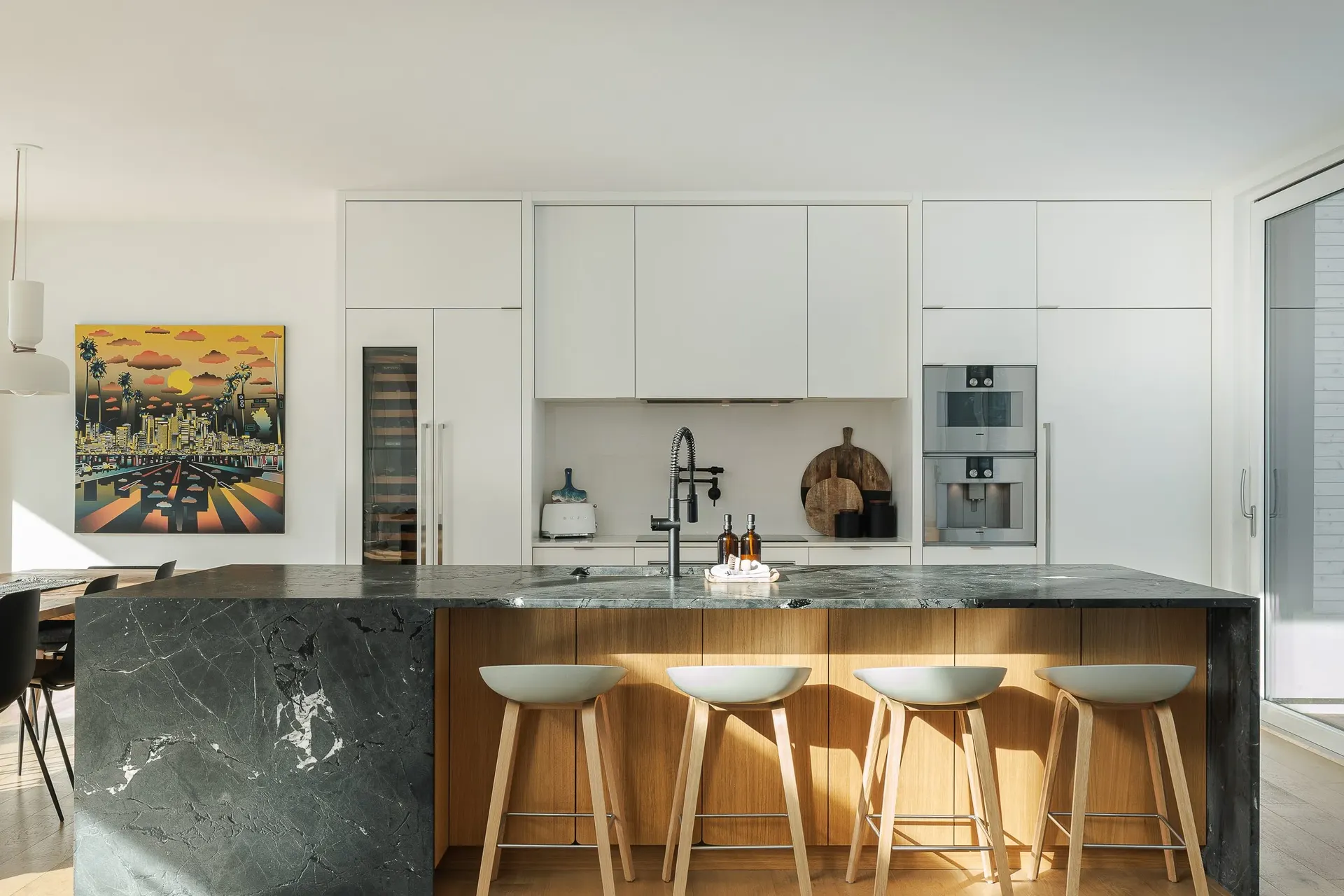
Interior and exterior images of completed projects, honouring design intent and timed for natural light. These anchor websites, proposals, and award submissions.
Short Form Video
Cinematic sequences revealing spatial flow and atmosphere. These populate websites and perform strongly on social platforms.
Aerial & Drone
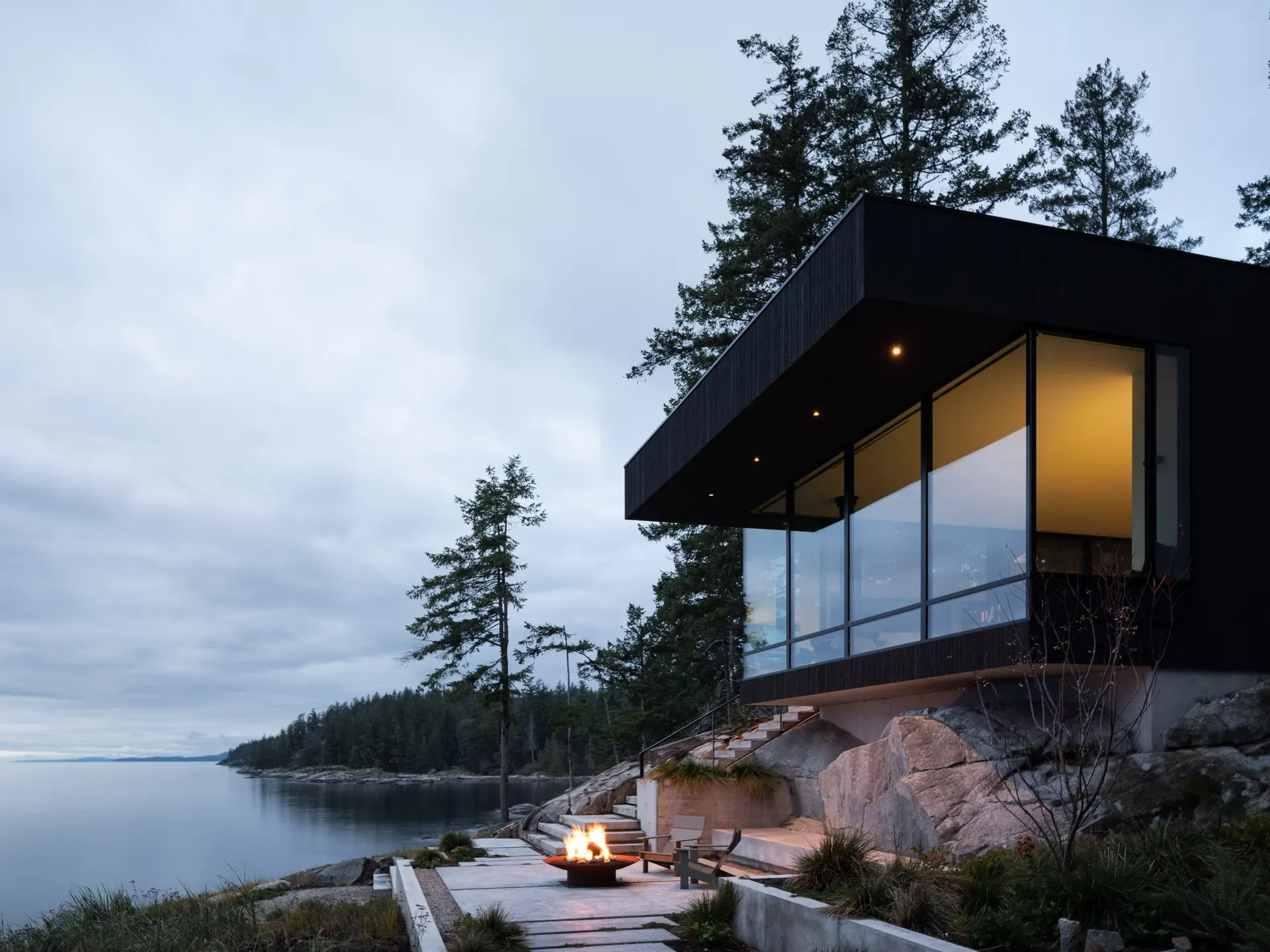
Reveals each project's relationship to the Sunshine Coast landscape, particularly important when site strategy equals architectural significance.
Team Portraits
Environmental headshots of principals and crew members captured on location. These humanize the brand and perform consistently on LinkedIn and in proposals.
Construction Lifestyle
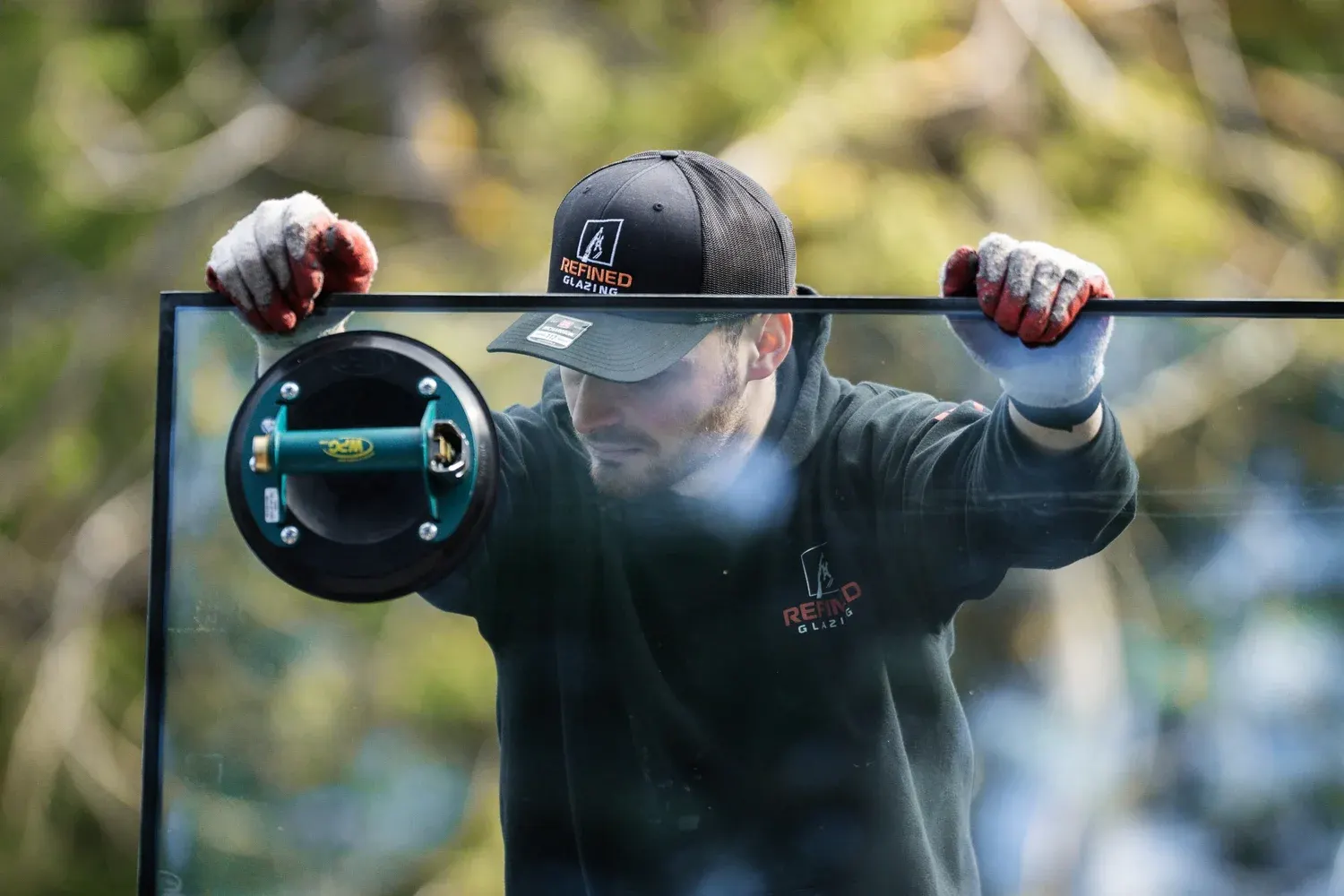
Trades at work, materials installation, and jobsite energy. This content drives social engagement by revealing the craft process.
Progression Documentation
Chronological storytelling from foundation through completion. Demonstrates transparency and project management capability to prospective clients.
How the Content Gets Used
Website: Every page now leads with professional imagery establishing premium positioning. Hero images, project galleries, team pages, and about sections all draw from the unified library, creating cohesive brand reinforcement.
Social Media: Rather than scrambling for weekly content, a deep library sustains consistent posting. Single project shoots yield months of Instagram posts, LinkedIn updates, and story sequences. Lifestyle and construction content particularly resonates by humanizing the building process.
Award Submissions: Imagery becomes strategically composed for jury evaluation rather than repurposed marketing materials. Images are created with award criteria in mind from inception.
Proposals and Client Presentations: The portfolio now reflects actual work quality. The gap between reputation and visual presence closes entirely.
The Compounding Effect
Ongoing visual partnerships strengthen over time. Each project refines visual language and deepens photographer-brand understanding. Efficiency improves through reduced briefing time and increased execution focus.
Market perception compounds when websites, social media, proposals, and award submissions maintain consistent visual standards. Clients, architects, and industry peers associate the firm with professional visual communication that competitors cannot match. This perception becomes self-reinforcing. Superior imagery attracts better clients building more ambitious projects, generating more compelling documentation.
Matt was a pleasure to work with on our recent architectural project shoots. He was highly responsive and organized pre-shoot, and on-site he worked efficiently with a professional, calm demeanor. His creative eye brought out the best in the design, and he easily adapted to changing conditions. Highly recommend!
Kyle Paisley, Summerhill Fine Homes
What This Looks Like for Your Firm
This pattern extends across the industry. Exceptional work exists without adequate visual infrastructure. Sporadic photographer engagement produces individual project images but never builds the consistency transforming portfolios into brands.
The Creative Partner model addresses this gap: structured monthly or quarterly shoot days covering project photography, award imagery, construction content, team portraits, and video. Single relationship, unified visual standard, no recurring re-scoping.
For firms completing three or more annual projects, this approach shifts market perception of work more efficiently than fragmented hiring, not merely through convenience but through compounding strategic visual output.
See the full case study: Summerhill Fine Homes.
Continue Reading
Contact
Ready to stop thinking about content?
One conversation to set up an ongoing partnership. No more one-off scoping, no more patchwork visuals.
or email info@mattanthonyphoto.com