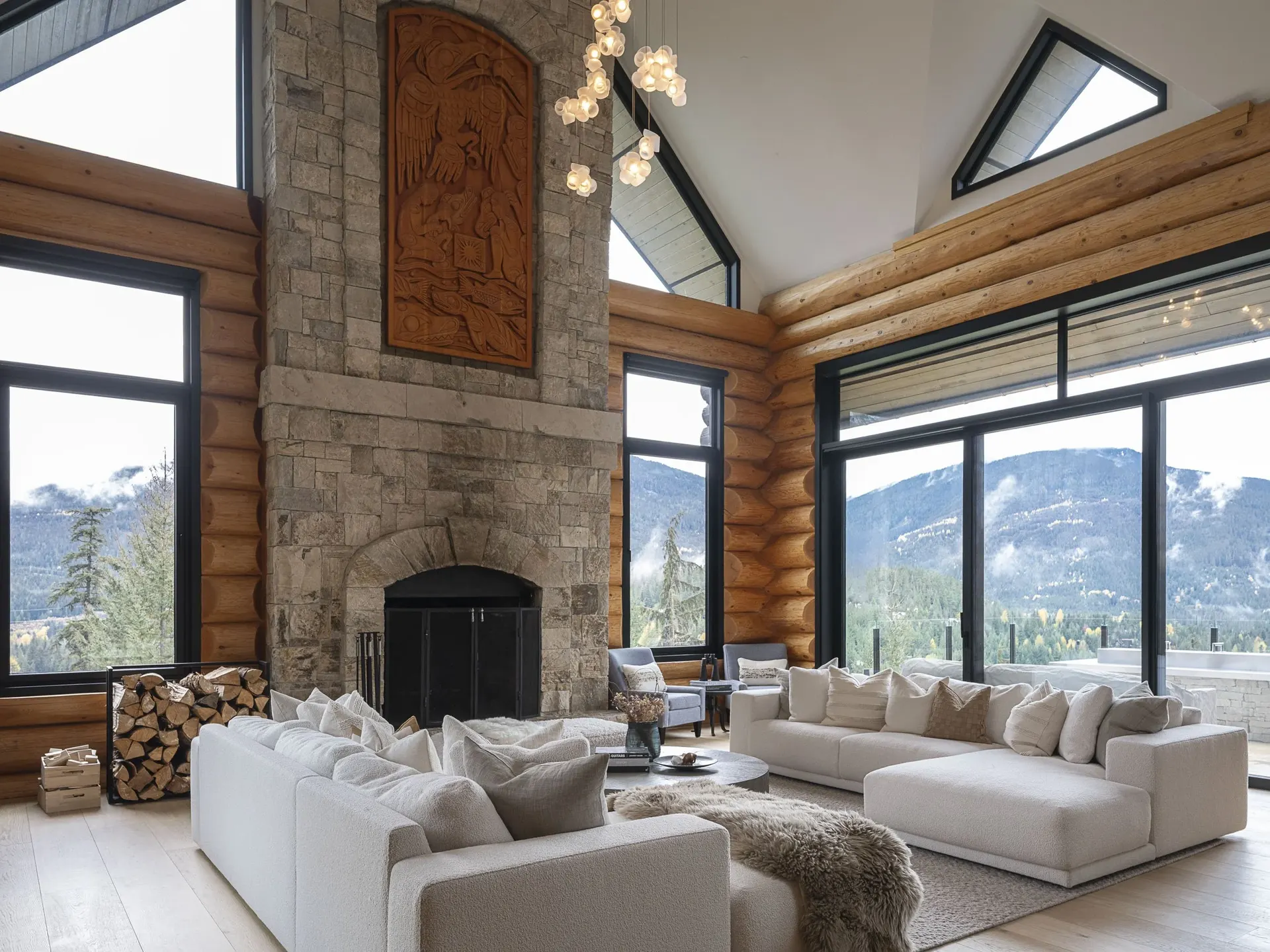
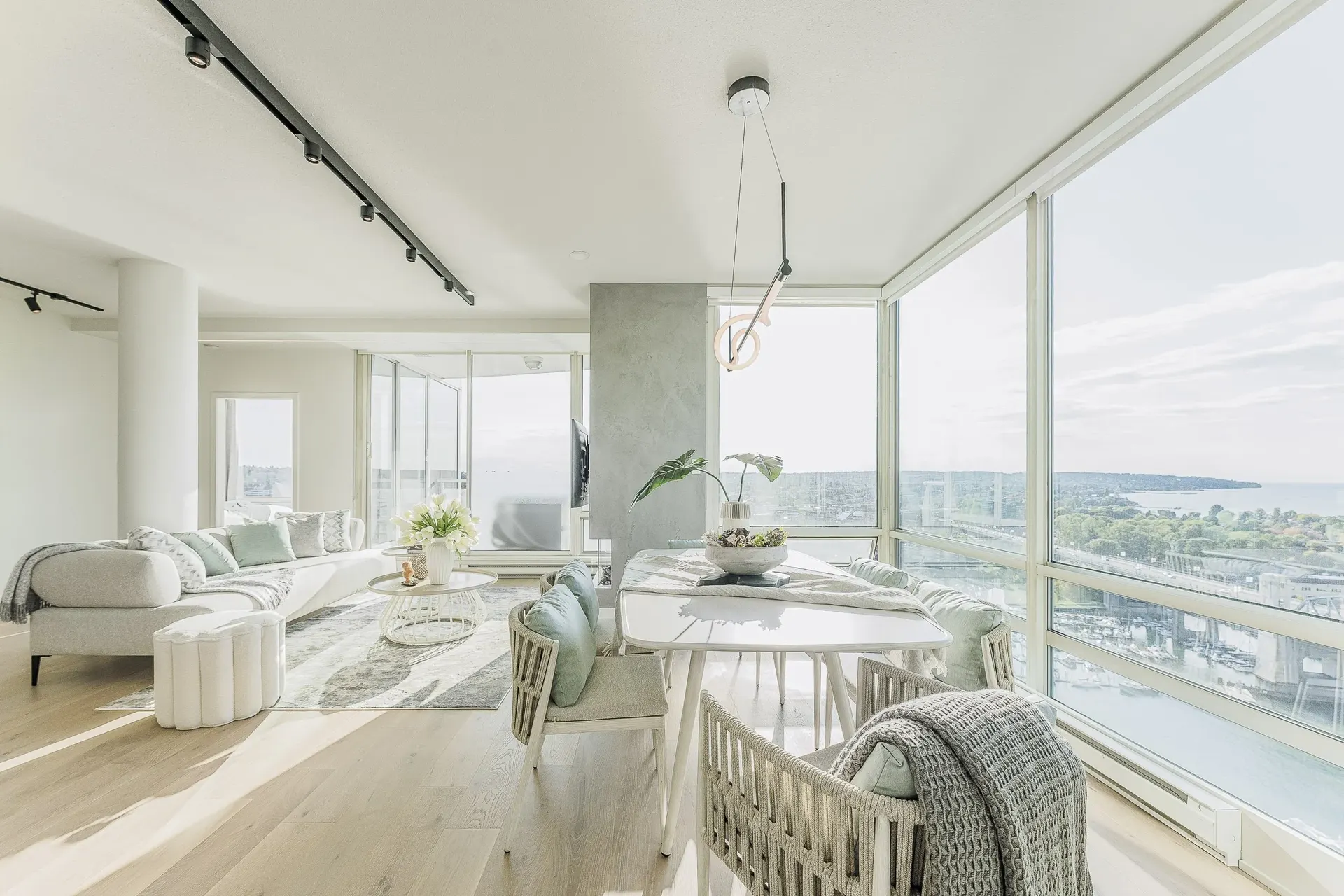
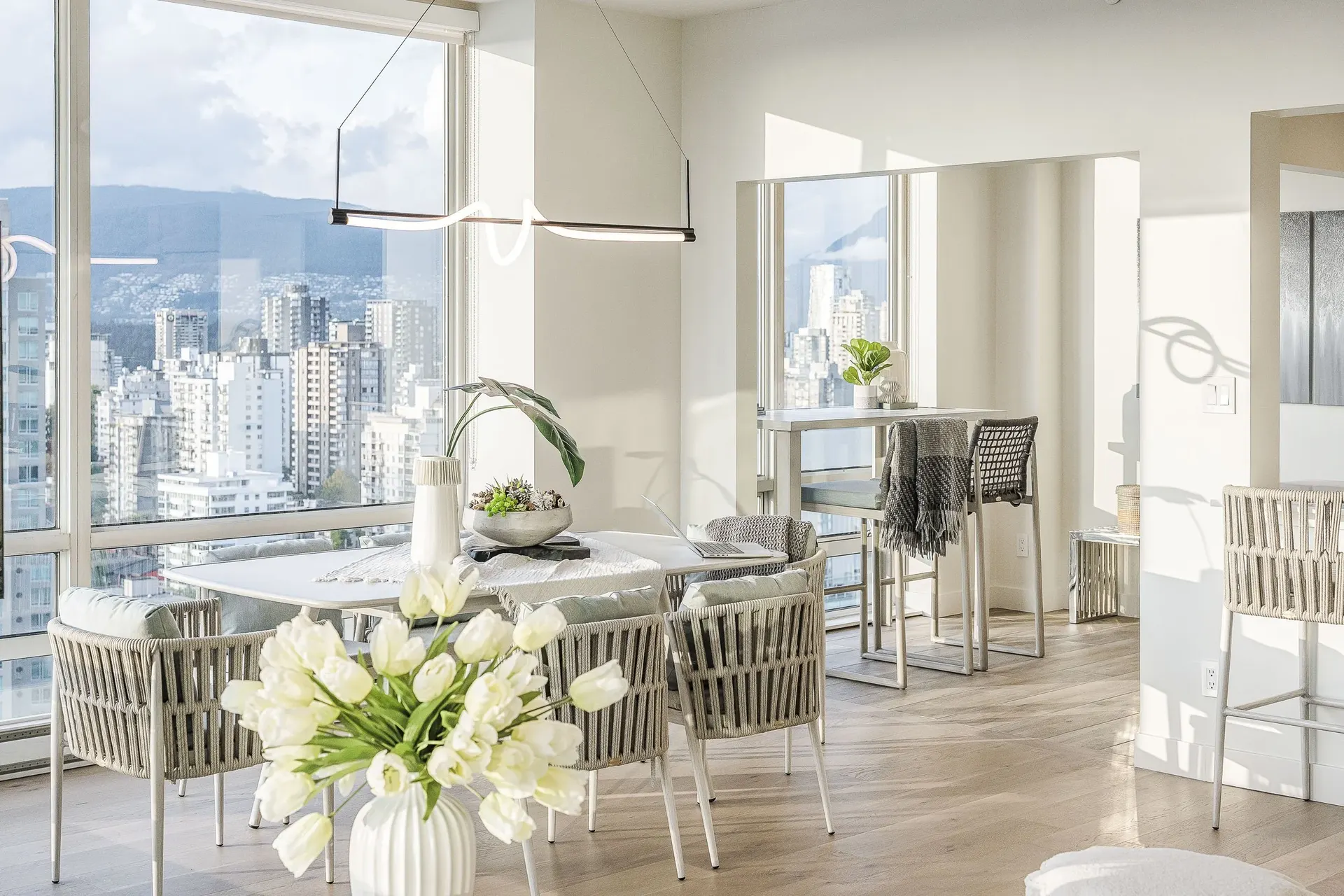
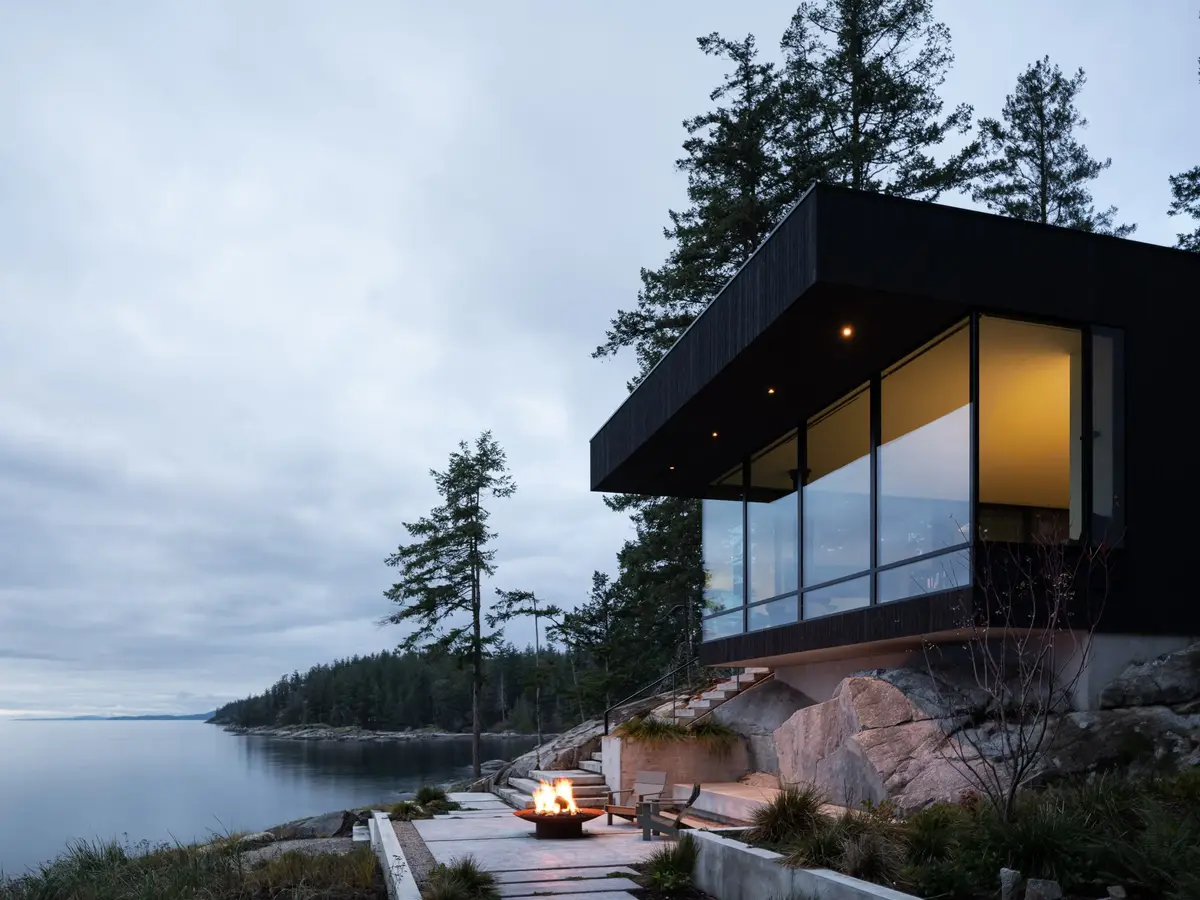
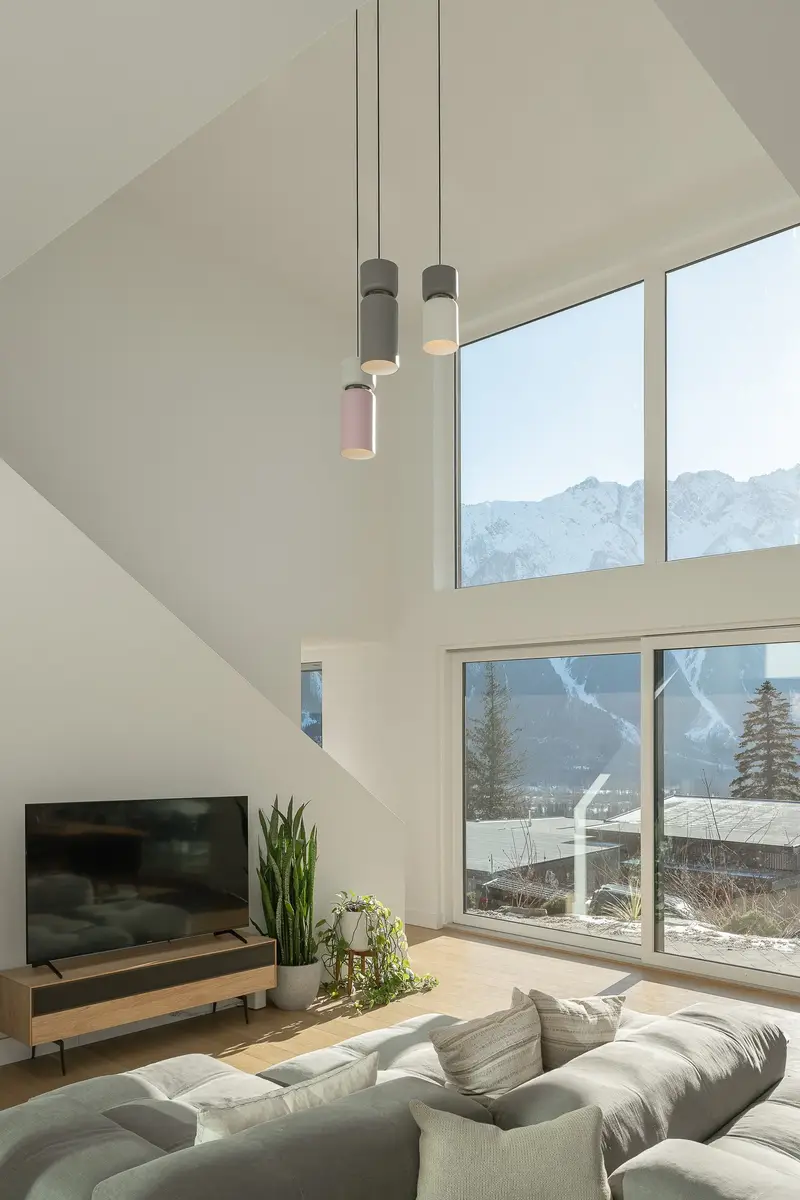
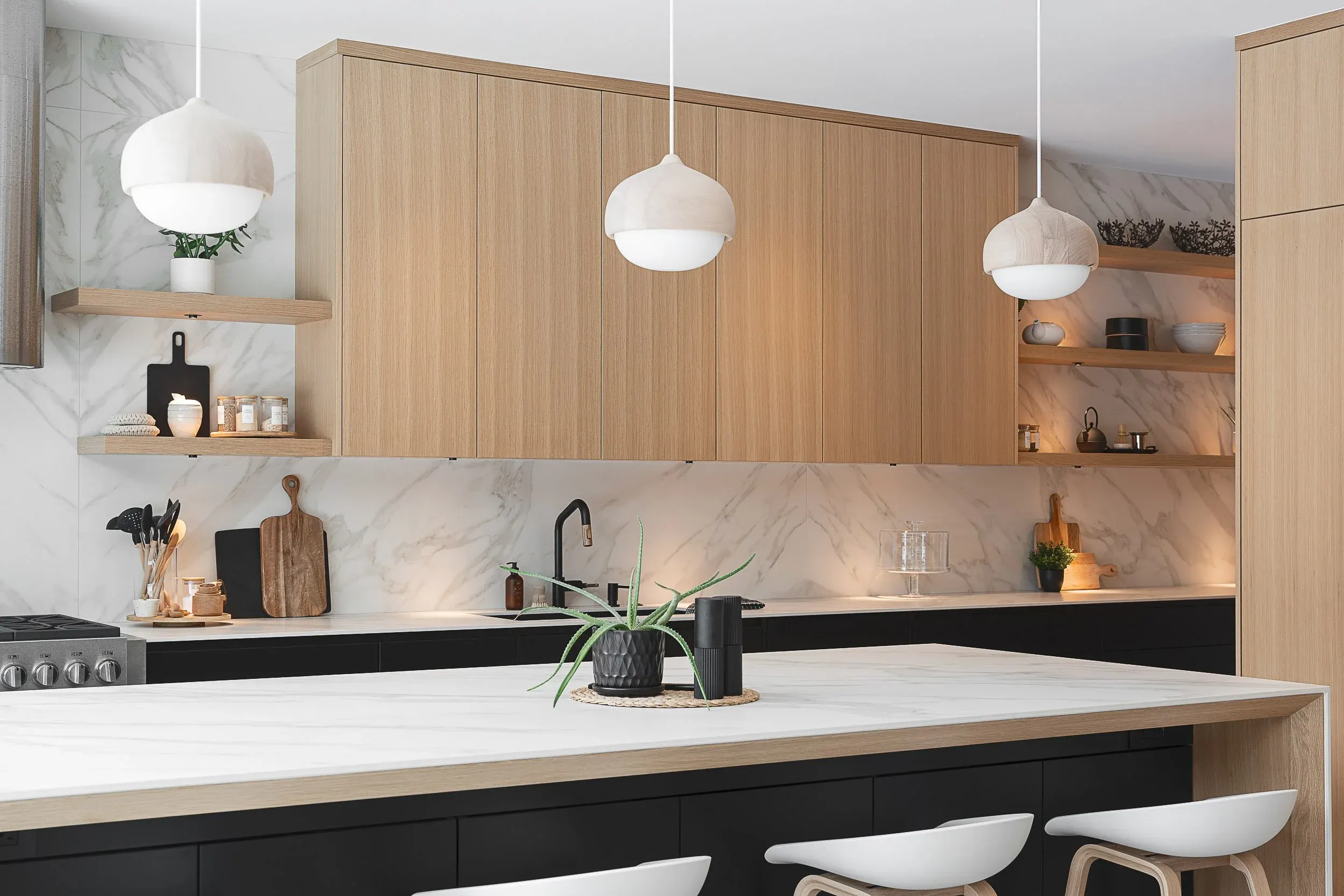
Most builders, architects, and designers I meet do not have a visual library. They have a folder. Inside that folder is a mix of professional photos from one shoot two years ago, phone snaps from the jobsite, a few decent shots their interior designer happened to share, and the gallery a wedding photographer friend took as a favour after the project wrapped.
When something needs an image, the search begins. Website hero. Award submission. Pitch deck. Instagram post. Each one pulls from the same shallow well, and each one looks slightly different from the last because the source material was never built with the full picture in mind.
A visual library is the opposite of that folder. It is a deliberate, consistently produced body of work that covers your projects from multiple angles, in the formats you actually need, shot to a standard that holds up across every channel you use. Built right, it stops you from starting from scratch every time the marketing question comes up.
The Problem With One-Off Shoots
The usual pattern looks like this. A project finishes. Someone says we should get photos. You call a photographer, negotiate a fee, brief them on the project, and book the shoot. The images come back. You post them, share them, file them away. Six months later another project finishes and the cycle repeats, often with a different photographer, a different editing style, and a different idea of what the brand should look like.
Three years and six projects in, your library is a patchwork. Different colour palettes. Different framing instincts. Different ideas about what mattered in each home. Your website looks inconsistent. Your proposals feel uneven. Your award submissions pull from whichever project happened to get the better shoot.
This is not a photography problem. It is a systems problem. The fix is consistency: one photographer who knows your brand, applied across every project, year after year.
What a Visual Library Actually Contains
A complete library covers six categories. Most firms have one or two and call it a day. The compounding value comes from having all of them.
The Touchpoint Map
The reason a library is worth building is that one shoot serves every part of your business at once. The images do not get used once and retired. They work across every place a prospective client, judge, editor, or hire might encounter your brand.
Website. Hero imagery, project galleries, service pages, team portraits. Every page draws from the same library and the experience holds together.
Proposals. Comparable past work, capability statements, team intros. Proposals backed by professional imagery close at higher rates because the credibility is built into the document before you say a word.
Award submissions. Curated image sets tailored to category criteria for the Georgies, HAVAN, CHBA National, and RAIC. A deep library lets you select for each program rather than scrape together whatever exists.
Social media. Instagram posts, carousels, Reels, LinkedIn updates, Pinterest. A deep library means months of content from a single shoot rather than a frantic search every Sunday night.
Editorial pitches. When ArchDaily, Dezeen, Western Living, or Canadian Architect want to feature a project, publication-ready images already exist. You are not scrambling to arrange a post-interest shoot two months after the fact.
Recruitment. Construction and team imagery shows what working at your firm actually looks like. In a market where good people are scarce, that matters more than most builders realise.
Consistency is invisible to individual viewers. But they register the impression: this firm is professional, polished, deliberate. That impression compounds with every touchpoint.
How to Start From Zero
If your current library is patchy, you do not need to reshoot everything. You just need to draw a line in the sand and build forward from it.
Step one. Shoot the next completed project properly. Architecture, interiors, aerials, details, twilight, short video. This becomes the benchmark every future shoot is measured against.
Step two. Add construction lifestyle to the projects already underway. A half-day on an active site captures team, progression, and lifestyle content that fills your social gaps immediately.
Step three. Treat photography as a non-negotiable line item on every future project. Same as final cleaning or warranty documentation. Budget it upfront, not after the fact.
Step four. Consolidate under one photographer. Visual consistency is impossible across multiple shooters. Find the one whose work matches the standard you want to hold and commit to the relationship. Over time, briefings get shorter, output gets stronger, and the library deepens without you having to push it every time.
The Three-Year Framework
Year One
Shoot two to four completed projects at full scope. Add one or two construction lifestyle days. Establish the visual standard and lay the foundation everything else will build on.
Year Two
Shoot every completed project. Add quarterly lifestyle shoots across active jobsites. Begin award submissions with imagery that was actually made for them. The library starts carrying your social media without effort.
Year Three and Beyond
The library becomes self-sustaining. Every project adds depth. The brand visually coheres across every channel. Award submissions get curated from strength rather than scraps. Proposals close faster because the visual credibility is already established before the conversation starts.
The Math
A custom builder finishing four projects a year might invest $12,000 to $20,000 annually on comprehensive photography. Project shoots, lifestyle content, team portraits, video. That spend produces hundreds of usable assets that work across every channel for the next three to five years.
Compare it to the alternatives. Google Ads at $2,000 to $5,000 a month, leads disappearing the moment you stop spending. A trade show booth at $5,000 to $15,000 for a few days in a room. A print ad at $2,000 to $4,000 that runs once and is gone.
Photography produces permanent assets that work 24/7 for years. The amortised cost-per-use approaches zero. For a custom builder or design firm, it is the most capital-efficient marketing investment available.
The Creative Partner Model
Firms finishing three or more projects a year usually find that a standing engagement works better than booking project by project. Monthly or quarterly shoot days cover everything. Project photography, award imagery, construction content, team portraits, video. One relationship, one visual standard, one library that grows on a schedule rather than an emergency basis.
The Creative Partner model exists because this approach produces better results at a lower effective cost than hiring on a per-project basis. The per-image cost drops as the cadence holds. Quality rises because I get to know the brand. Strategic value compounds because the library deepens every quarter without you having to think about it.
Start with the next project. Shoot it properly. Then don't stop.