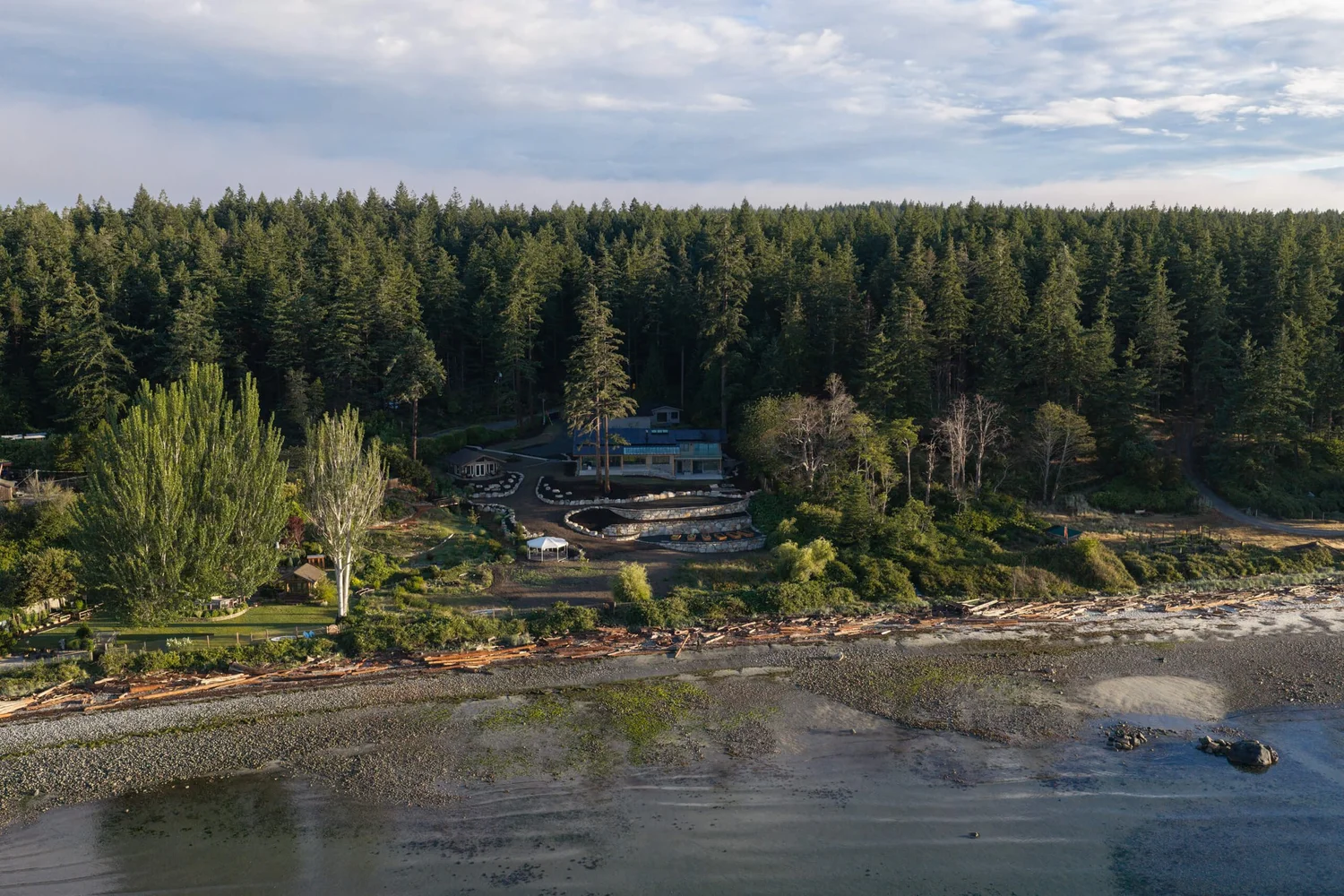
Guide
RAIC Awards & Governor General's Medals in Architecture
Complete guide to Canada's highest architectural honour for Canadian architects.
Overview: Canada's Highest Architectural Honour
The Governor General's Medals in Architecture represent the pinnacle of architectural recognition in Canada. Awarded jointly by the Royal Architectural Institute of Canada (RAIC) and the Canada Council for the Arts, these medals carry a history spanning more than 75 years. Recipients are presented their medals by the Governor General at Rideau Hall.
Beyond the Governor General's Medals, the RAIC administers a suite of annual awards recognizing individual achievement, firm practice, and architectural legacy. Together, these programs define what excellence means in Canadian architecture.
Governor General's Medals in Architecture
The Governor General's Medals are awarded biennially to up to 12 projects that demonstrate design excellence at the highest level. The program evaluates completed buildings. The jury wants to see architecture that has been built, occupied, and tested by real use.
RAIC Annual Awards
RAIC Gold Medal. The highest honour the RAIC confers on an individual. Awarded for a significant and lasting contribution to Canadian architecture over an entire career.
Architectural Firm Award. Recognizes a firm that has consistently produced distinguished architecture over a sustained period.
Emerging Architectural Practice Award. Celebrates a firm in the early stages of practice that shows exceptional design promise.
Prix du XXe siecle. Recognizes a Canadian building of enduring significance that is at least 25 years old.
International Prize. Awarded to a non-Canadian architect or firm whose work has had a significant impact globally.

Eligibility
The Governor General's Medals are open to Canadian architects for projects of all types and locations. Unlike provincial programs, the GG Medals program accepts projects built anywhere in the world, provided the architect is Canadian.
For the RAIC Annual Awards, eligibility varies by category. The Gold Medal and Firm Award are nomination-based recognitions of career or body-of-work achievement.
Submission Requirements
Written Statement (750 words). A concise but substantive description of the project's design intent, the challenges addressed, and the contribution it makes.
Sustainability Text (200 words). A separate statement addressing the project's approach to environmental sustainability and energy performance.
Mandatory Drawings. Site plan, building plan, and cross-section.
Seven Press Images. These are the photographs that represent the project to the jury and, if the project wins, to the public and media.
Energy Performance Metrics. EUI and TEDI data where available.
Technical Image Specifications
High-Resolution: JPEG format, 300 dpi, 4200 x 3150 pixels minimum
Low-Resolution: JPEG format, 72 dpi, 1024 x 768 pixels
Colour Space: RGB only. No CMYK files accepted
Both Resolutions Required: Each image must be submitted in both versions
Total Images: 7 press images per submission
Assessment Criteria
Innovative vision. Does the project propose something new in spatial organization, material application, programmatic response, or cultural engagement?
Response to site and context. How does the building engage with its physical, cultural, and climatic context?
Meaningful experience. Does the building create spaces that are genuinely worth inhabiting?
Sustainability leadership. How does the project address environmental responsibility?
Materials selection. How are materials chosen, detailed, and assembled?
Seven images. That is your entire visual argument for why a project deserves to stand among the twelve best buildings in Canada. Every image must be intentional, technically excellent, and strategically selected.
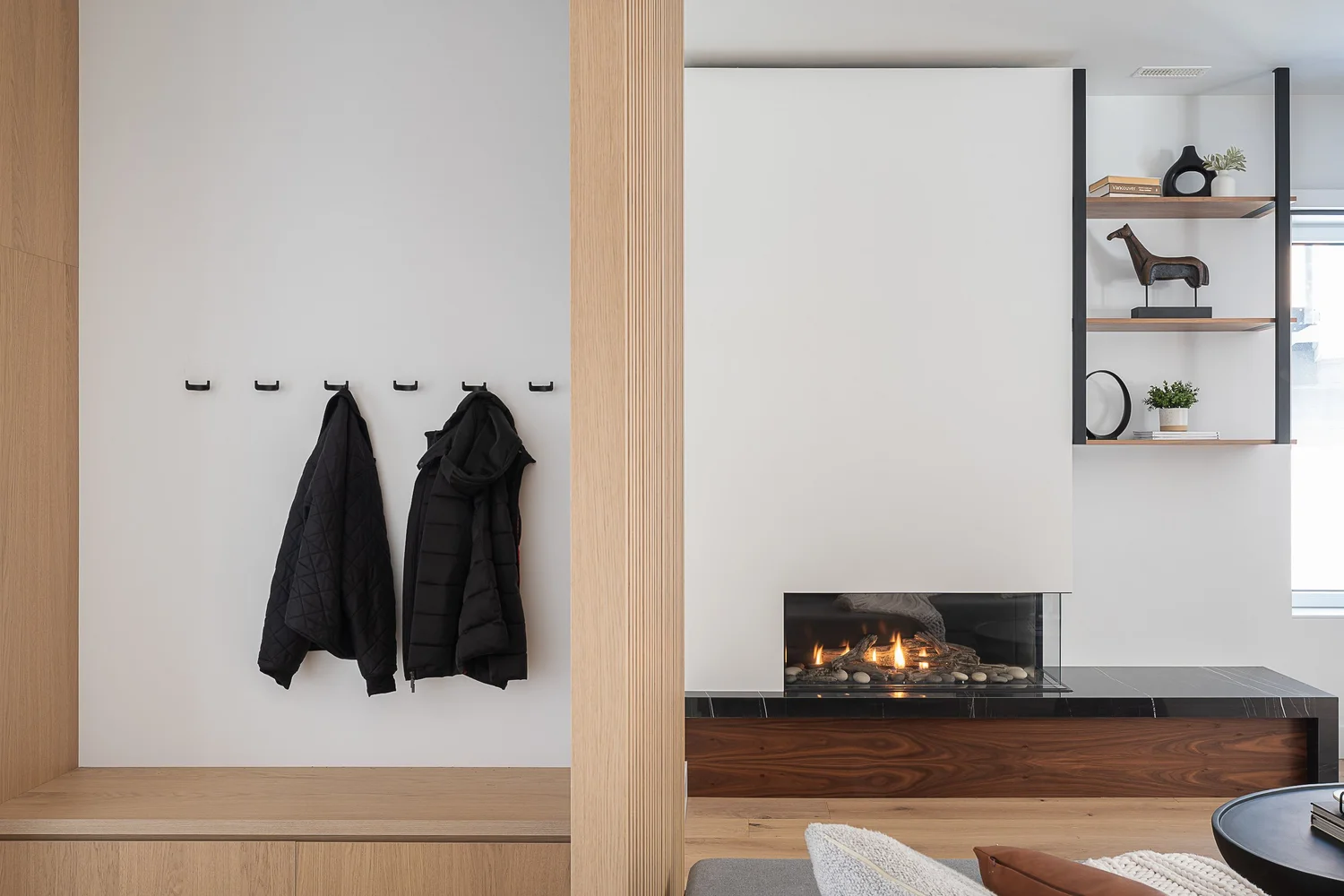
Why Photography Matters at This Level
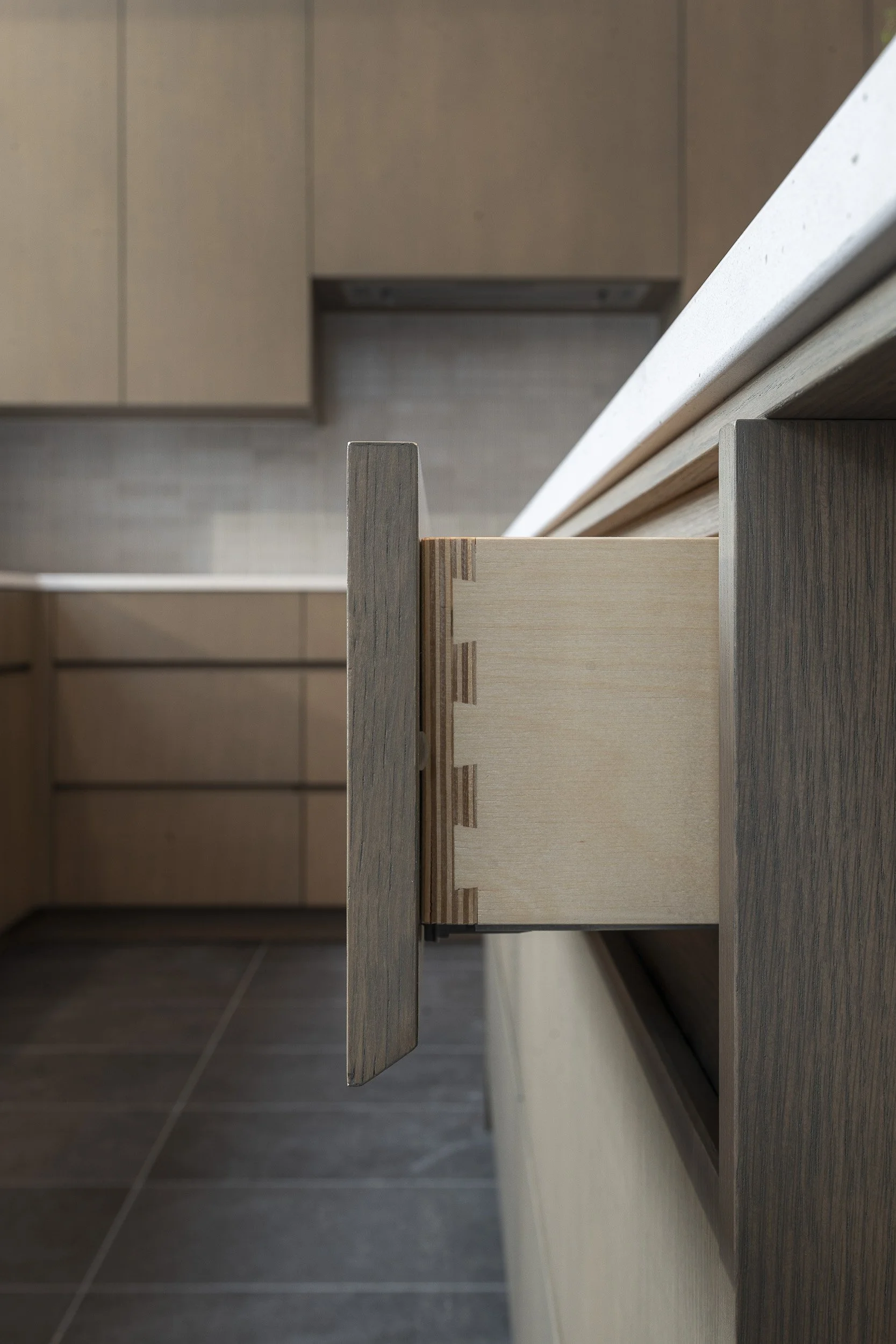
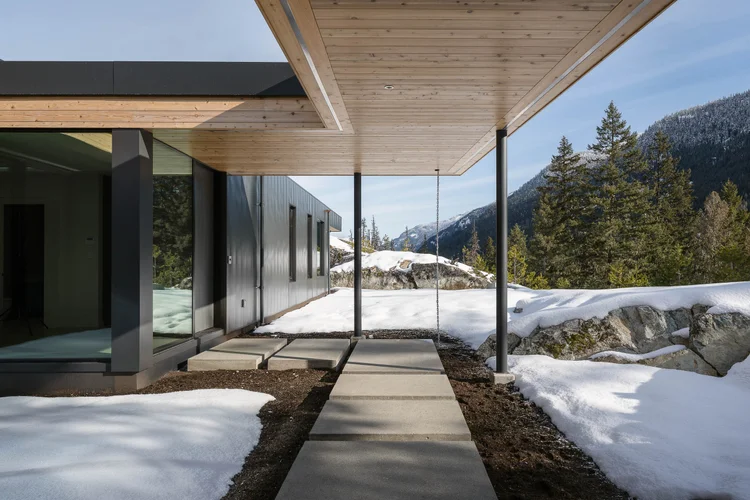
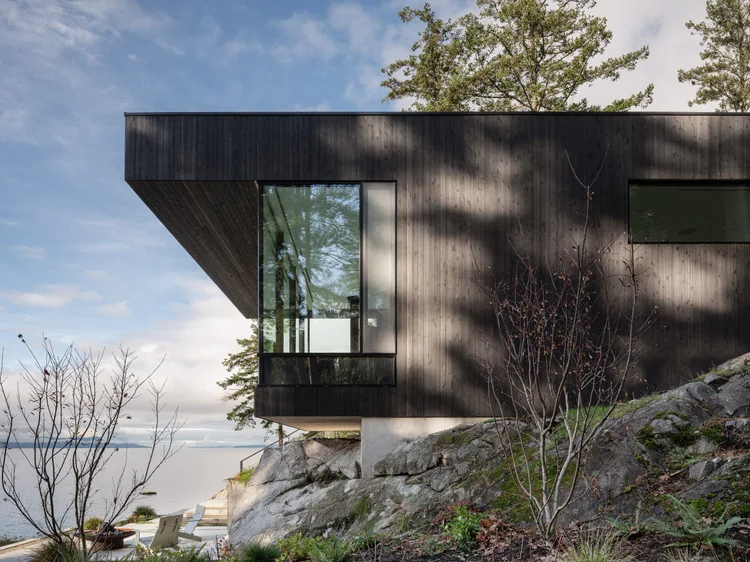
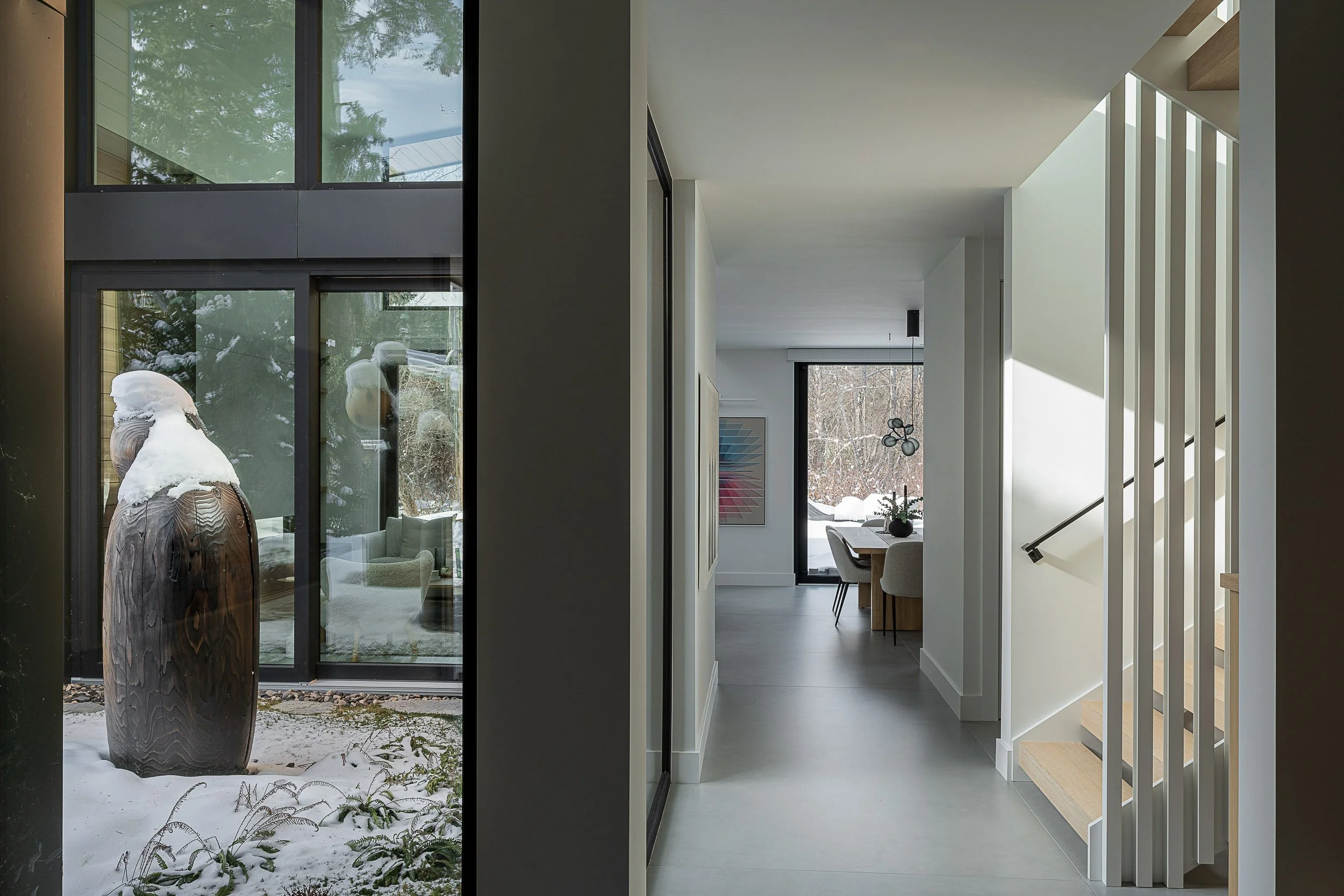
At this level, photography does not just document the building. It makes the case for the building's significance. Each of the seven permitted images must serve a specific purpose: the establishing shot, the approach sequence, the primary interior space, secondary spaces, material details, light and atmosphere, and the singular image that captures what makes this project different from every other submission.
With only seven images allowed, there is no room for redundancy.
Timeline
2025/2026 Key Dates
GG Medals Submission Deadline: December 2025
RAIC Annual Awards Deadline: January 2026
RAIC Conference: Vancouver, May 2026
GG Medals Ceremony: Rideau Hall, Ottawa (date TBA)
How to Prepare Your Submission
Start with the architectural argument. Articulate what makes this project significant before you select images or write a word.
Brief your photographer thoroughly. Share the assessment criteria. Walk through the building together.
Plan for both resolutions from the start. The 4200 x 3150 pixel high-res requirement means source files need sufficient resolution.
Prepare the sustainability narrative early. Coordinate with your engineering consultants to compile EUI/TEDI data.
RAIC / GG Medals Submission Checklist
Confirm project eligibility and completion status
Articulate the core architectural argument for the project
Commission professional architectural photography 3+ months before deadline
Brief photographer on GG Medals assessment criteria and design intent
Capture context, approach, primary spaces, secondary spaces, details, and atmosphere
Deliver images in both required resolutions: 300dpi 4200x3150 and 72dpi 1024x768
Confirm all files are JPEG, RGB colour space only
Draft 750-word project statement and 200-word sustainability text
Prepare mandatory drawings: site plan, building plan, cross-section
Compile EUI and TEDI energy performance data
Select exactly 7 images with zero redundancy
Review complete submission package for consistency and quality
Key Resources
RAIC Conference 2026: Vancouver, May 2026
Contact
Submitting for the Governor General's Medals in Architecture?
At this level, every one of your seven images needs to be exceptional. Let's plan the photography together.
or email info@mattanthonyphoto.com
Matt Anthony Photography
Architecture and interiors photography across British Columbia
Squamish · Whistler · Pemberton · Sunshine Coast · Vancouver · Fraser Valley · Okanagan · Salt Spring · Invermere