Journal
What Architects Should Look for When Hiring an Architectural Photographer
The portfolio signals, the questions to ask, and the red flags that save you from expensive mistakes.
You invest thousands of hours into a project. Design development, construction administration, countless iterations. After the design is resolved, the construction is exceptional, and the client is happy, there's one more decision that determines how that work is perceived by peers, jurors, editors, and prospective clients for years to come: who photographs it.
The photographer you choose will shape how your best work is seen by the people whose opinions matter most. That decision deserves more than a quick Google search.
Look for Architectural Specialists, Not Generalists
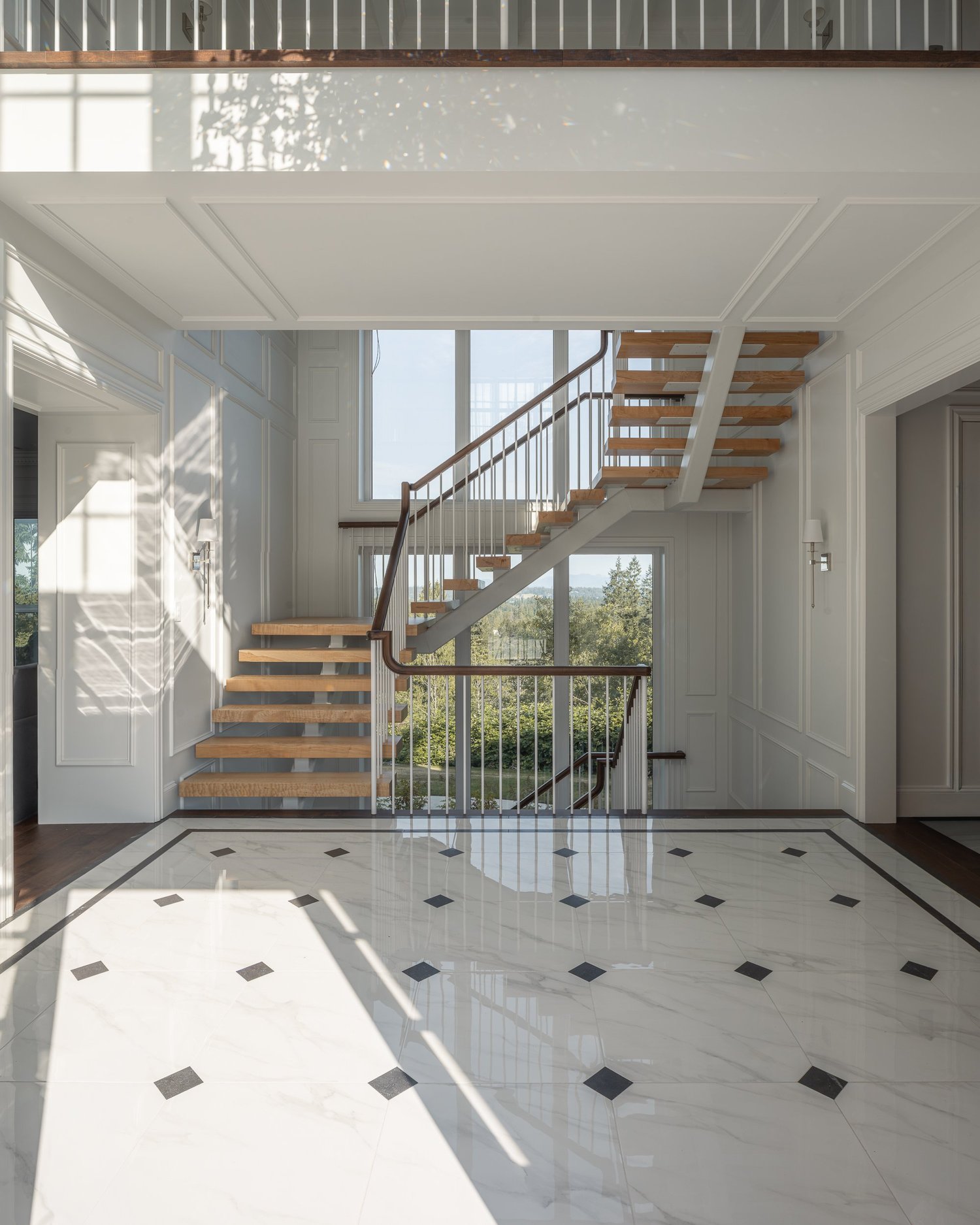
The single most important filter is specialization. A photographer who shoots weddings, headshots, and architecture on alternating weekends is a generalist, not a specialist. Architectural photography requires specific technical skills that take years to develop: perspective correction, dynamic range management, directional natural light work, and the ability to compose images that reveal spatial relationships.
Specialists also understand the industry context. They know how award submissions are judged. They understand editorial standards for architecture publications. They know the difference between portfolio imagery and website imagery. When reviewing portfolios, look for photographers whose work is primarily or exclusively focused on architecture, not a mixed bag of disciplines.
Evaluate Portfolio Consistency
Look beyond the hero images. Review full project galleries. Assess whether the interiors match the exterior quality, whether detail shots hold their own alongside wide angles, and whether modest renovations appear as composed and considered as luxury new builds. Consistency across project types indicates skill and professionalism.
Examine the editing style carefully. Natural, restrained approaches that preserve spatial authenticity outperform heavy processing with oversaturated colours, extreme HDR, or artificial skies. If the editing is the first thing you notice, the photographer is compensating for something.
Ask About the Pre-Production Process
Quality results stem from pre-shoot investment. The best architectural photographers review plans, understand the design narrative, conduct site visits, and develop collaborative shot lists before the shoot day. Ask specifically about site visits, design document review, shot list development, and how they determine the optimal timing for each space.
A photographer who shows up on shoot day and improvises won't produce a cohesive visual narrative that communicates the significance of your project.
Quantity vs Quality
Architectural photography isn't volume-driven. A photographer who promises 100 images per day is shooting loosely. Quality-focused photographers deliver 15 to 25 meticulously composed, carefully edited images per shoot day. A key interior shot might consume 30 to 60 minutes shooting plus 30 or more minutes of post-production.
Ask about the expected number of final images. If the answer is significantly higher than 25 per day, the photographer is prioritising volume over the careful, deliberate work that produces exceptional results.
Licensing and Usage Rights
Photographers retain copyright while licensing usage rights. This is industry standard. Standard licenses typically cover websites, portfolios, social media, proposals, award submissions, and editorial features. Some include print marketing materials; others charge separately.
The critical consideration is multi-party usage. When architects, builders, interior designers, and landscape architects all collaborate on a project, everyone needs access to the imagery. The best photographers offer shared licensing or group packages that ensure all collaborators can use the work.
Video Capabilities
The industry is moving toward integrated stills and motion content. A 60 to 90 second project film can communicate spatial flow, material texture, and the experience of inhabiting a space in ways that still photography alone cannot. Combined delivery from a single shoot day provides consistency and reduces coordination overhead.
Drone Certification
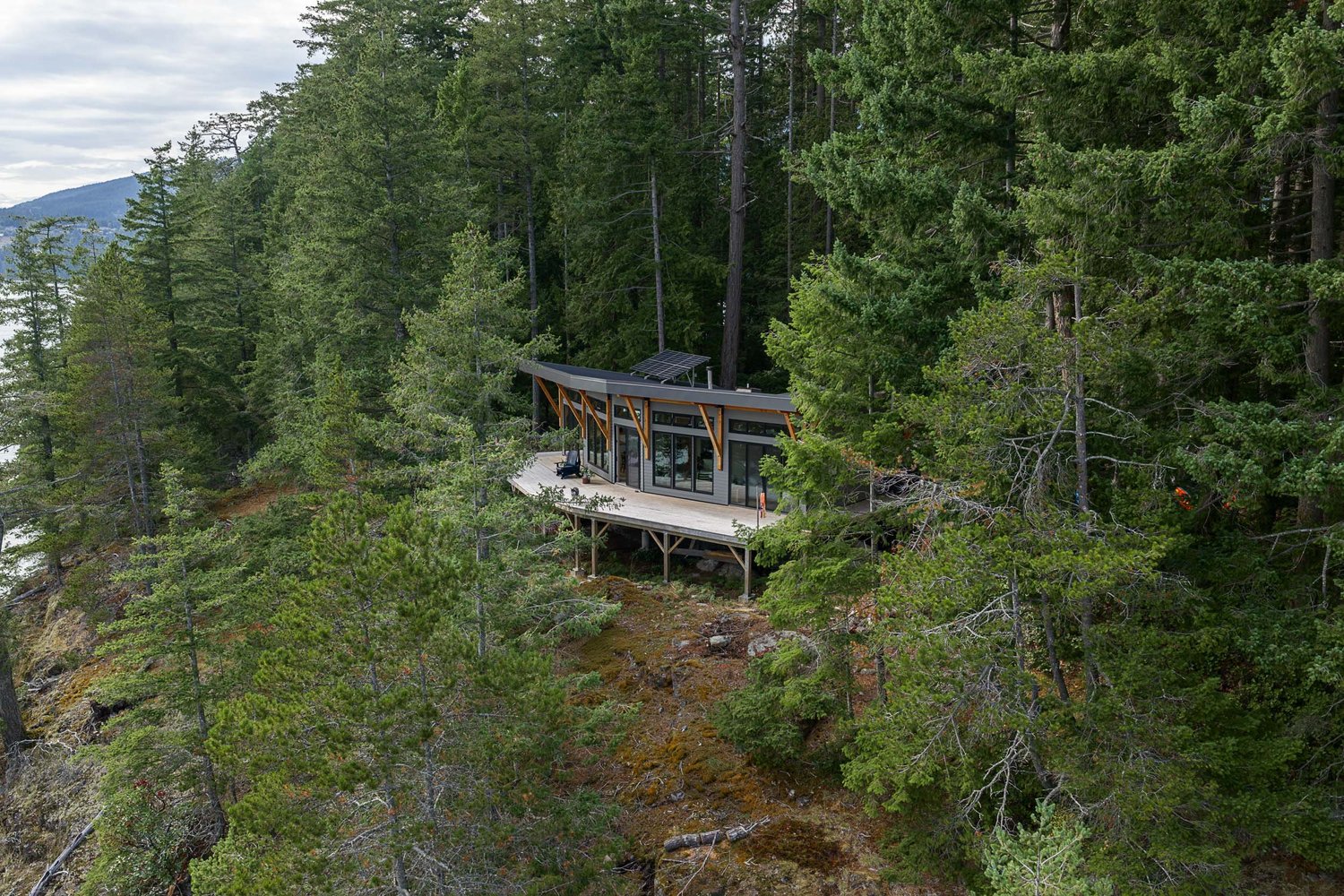
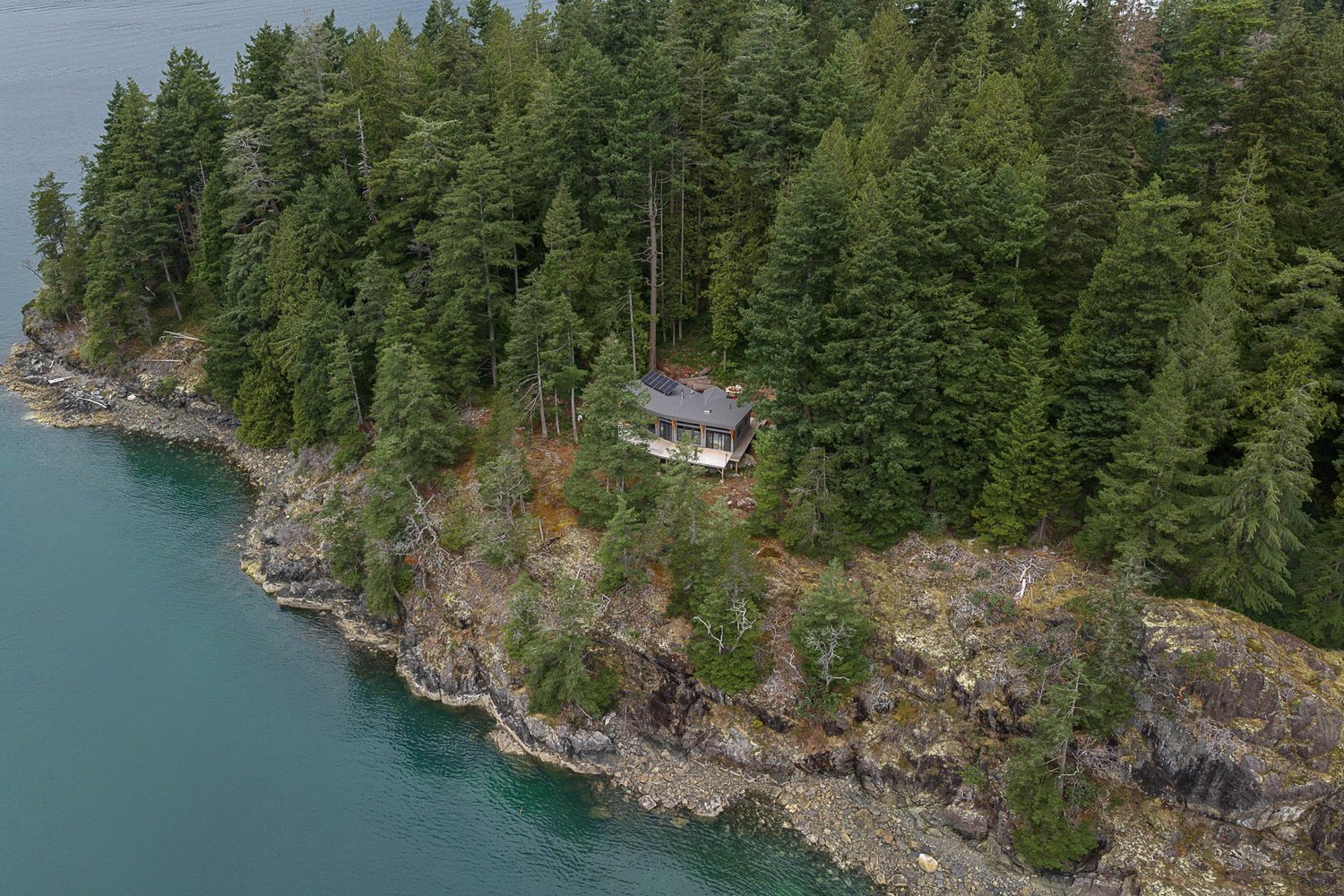
Aerial photography provides essential context and scale. In Canada, drone operations require Transport Canada Advanced Pilot Certification, particularly near controlled airspace. Heliports, airport zones, and restricted areas are common near Whistler, Squamish, and the Sunshine Coast. Uncertified flying creates legal and liability exposure for everyone involved.
Certified operators carry specific drone operation insurance separate from general photography liability. Ask to see certification and insurance documentation.
Client References
Call past clients from architects and builders on similar projects. Move beyond portfolio quality discussions toward working relationship assessment: communication ease, organization, punctuality, respect for the space, delivery timeliness, and likelihood of rehiring.
Photographers with ongoing relationships across multiple projects from returning clients demonstrate the kind of reliability and quality that sustains professional partnerships.
-- Kyle Paisley, Summerhill Fine Homes
Editing Philosophy
Post-production transforms raw captures into finished images. Approaches range from heavy compositing with sky replacements and aggressive grading to restrained perspective correction and natural light enhancement. Neither approach is inherently wrong, but the results differ significantly.
Examine before and after examples when available. Award submissions often prohibit major alterations beyond colour correction, making editing style a critical consideration for competition eligibility.
Pre-Hire Questions Checklist
Portfolio: Is architecture the primary focus? Are full project galleries available?
Pre-production: Site visits? Plan review? Shot list development?
Deliverables: Expected final image count? Video and aerial offered?
Licensing: What does the licence cover? Multi-party usage handling?
Certification: Transport Canada Advanced Pilot Certificate held?
Editing: Post-production philosophy? Before and after examples?
Turnaround: Delivery timeline? Award deadline accommodations?
References: Architect and builder contacts for similar projects?
Red Flags
No site visit: Improvisation, not planning.
Dramatically below-market pricing: Cuts corners in equipment, time, or post-production.
Unaddressed licensing: Indicates misunderstanding or avoidance of industry standards.
Heavy artificial editing: Prioritises spectacle over accuracy; problematic for proposals, publications, and awards.
No project questions: Transactional thinking rather than strategic partnership.
The right photographer combines technical excellence with strategic planning and genuine creative partnership. Take the time to evaluate thoroughly: full portfolio review, substantive questioning, client conversations, and early engagement that allows proper preparation rather than scrambling.
Contact
Looking for a photographer who gets it?
Let's start with a conversation about your project, your goals, and how the photography can serve both.
or email info@mattanthonyphoto.com
Matt Anthony Photography
Architecture and interiors photography across British Columbia
Squamish · Whistler · Pemberton · Sunshine Coast · Vancouver · Fraser Valley · Okanagan · Salt Spring · Invermere