Why project photography and real estate photography serve different goals, and why builders need the former.
A client finishes a custom build and needs photos. Someone suggests the real estate photographer who shot the listing next door. He's fast, he's affordable, and the photos look fine. Why spend five times as much on an architectural photographer?
This question comes up constantly, and it deserves a direct answer. Real estate photography and architectural project photography serve different purposes, use different techniques, follow different standards, and produce different results. Choosing between them isn't about budget. It's about what you want the images to do for your business over the next five years.
The Purpose Is Different
Real estate photography exists to sell a property. Its job is to make a house look spacious, bright, and appealing to the broadest possible audience of potential buyers.
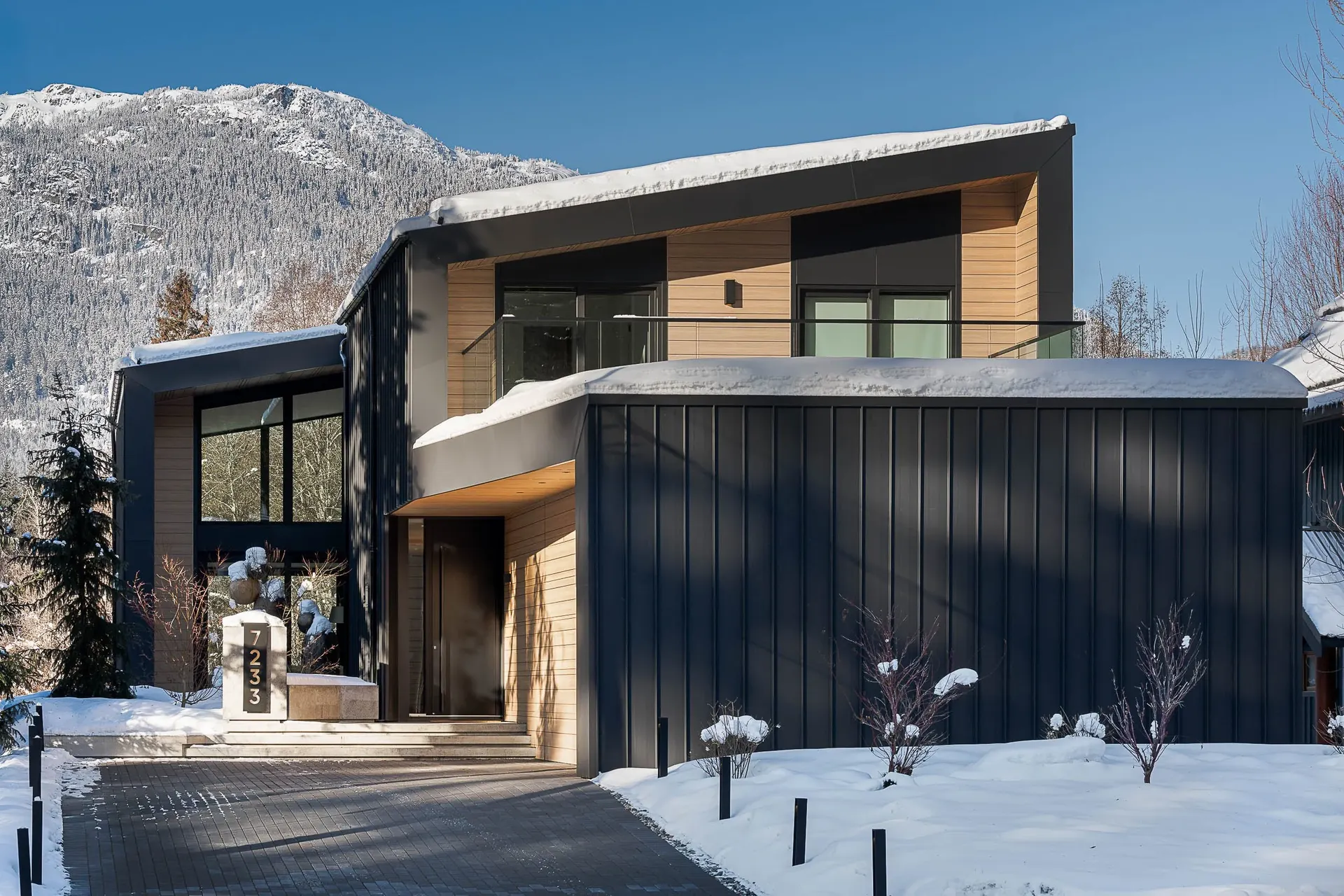
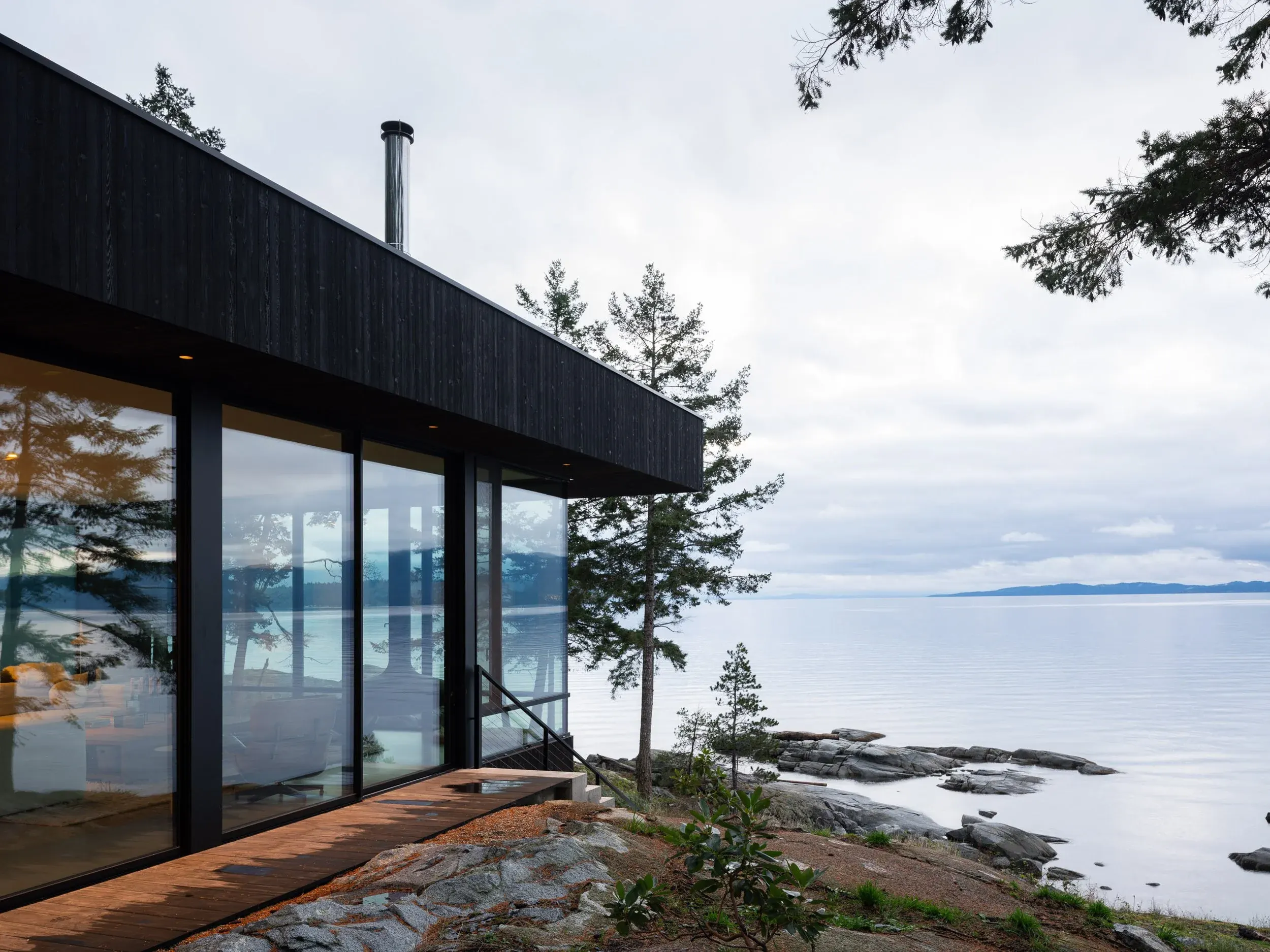
Architectural project photography exists to document and celebrate a design achievement. Its job is to communicate the specific decisions that make the project what it is: the material choices, the spatial relationships, the way light was considered, the connection between the building and its site.
These are fundamentally different briefs. The techniques, the time investment, and the resulting images reflect that difference completely.
The Time Investment Is Different
A real estate photographer typically shoots an entire home in one to two hours. They work quickly, moving from room to room with a wide angle lens and a flash bracket, capturing each space in a few minutes.
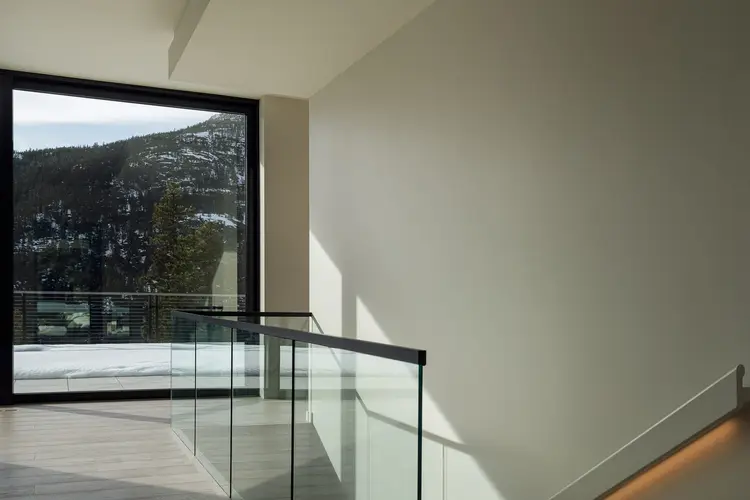
An architectural photographer spends six to ten hours on a single project, sometimes spreading across two days. They might spend 45 minutes on one interior composition: adjusting furniture by centimetres, waiting for a cloud to soften the light through a window, taking multiple exposures at different settings to manage the dynamic range between a bright window view and a dark interior corner.
The math is revealing. The real estate photographer produces roughly one image every three to five minutes. The architectural photographer produces roughly one image every 30 to 45 minutes. That time difference isn't inefficiency. It's the difference between capturing a room and composing a photograph that communicates a design decision.
The Technical Approach Is Different
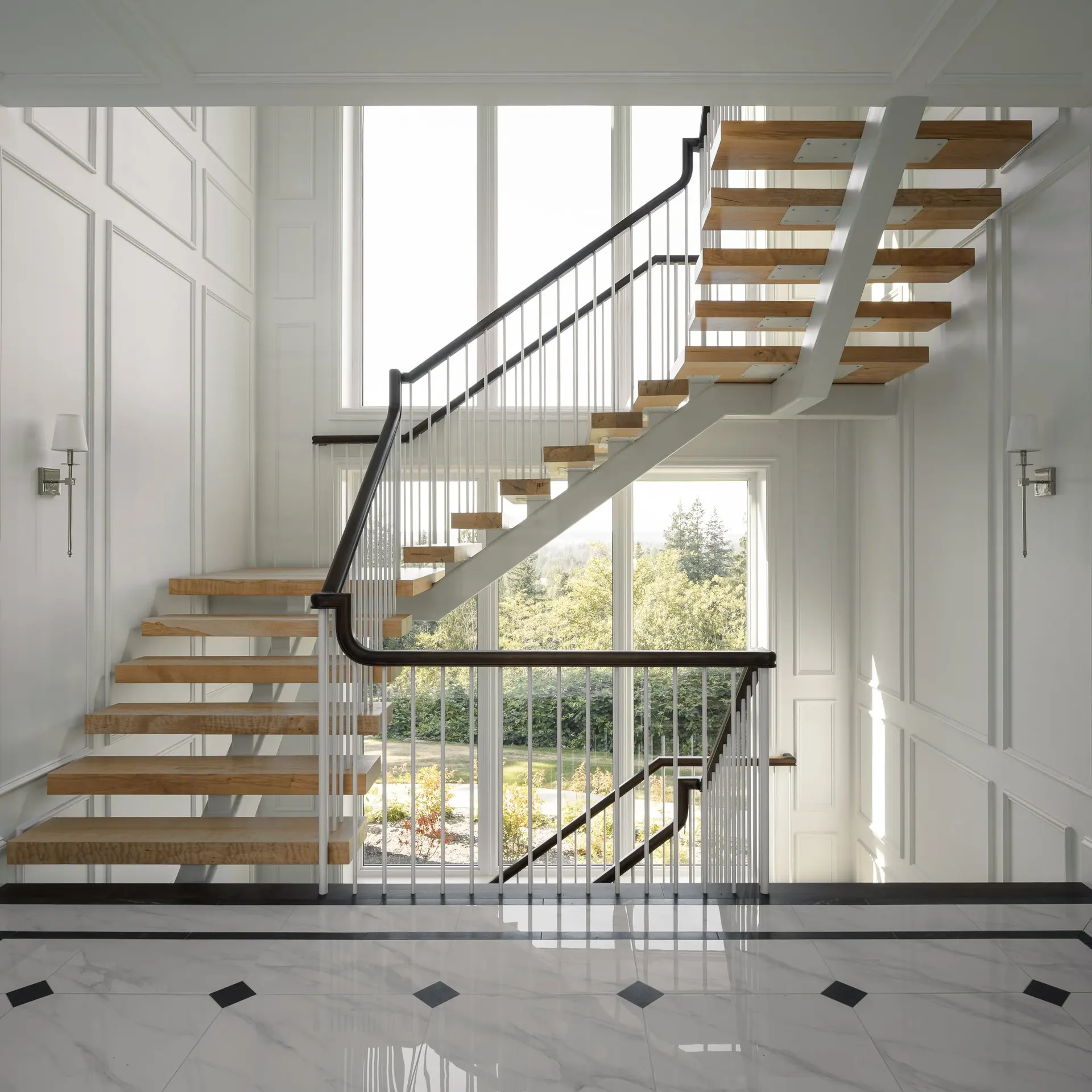
Perspective and verticals: Real estate photography often uses ultra-wide angle lenses to make rooms appear larger. Architectural photography uses controlled focal lengths and corrects every vertical line so walls, doors, and windows read as perfectly straight.
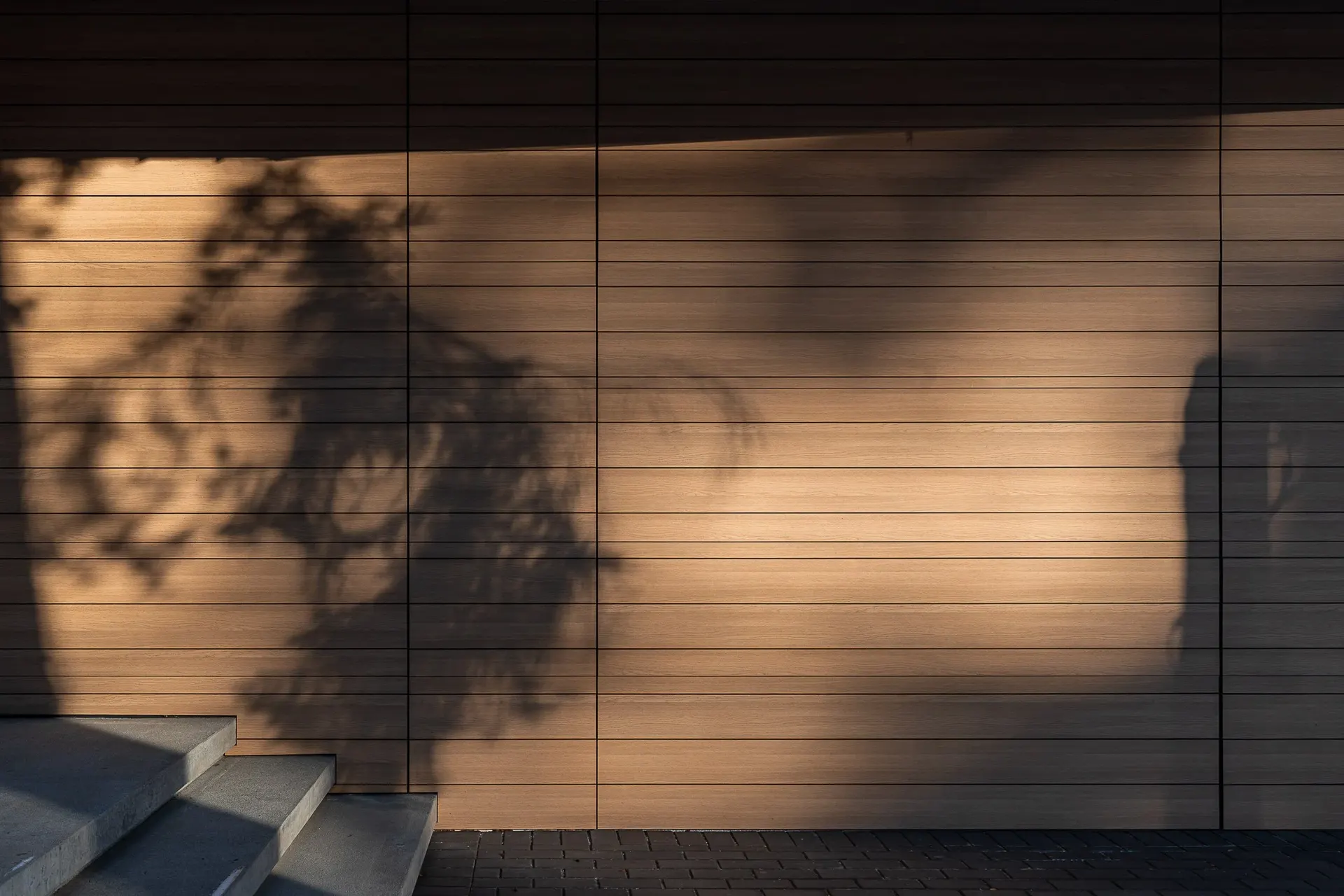
Lighting: Real estate photographers frequently use on-camera flash or ambient flash blending. Architectural photographers work primarily with natural light, using it directionally to reveal texture, depth, and the way the design interacts with its environment.
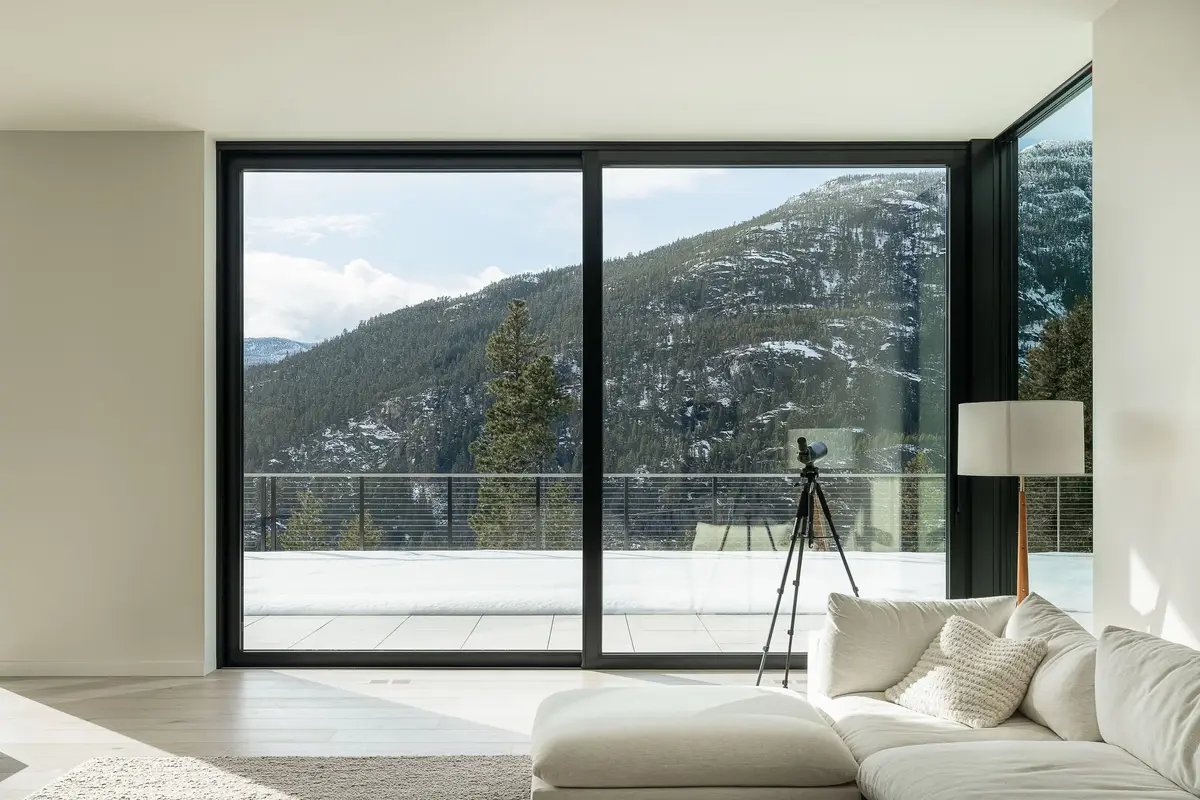
Dynamic range: The biggest technical challenge in interior photography is the difference between a bright window and a darker interior. Real estate photography typically handles this with HDR blending. Architectural photography uses manual exposure blending or careful single-exposure technique to maintain a natural relationship between bright and dark areas.
Post-production: A real estate photographer might spend five to ten minutes editing each image. An architectural photographer might spend 30 minutes to an hour on each image: precise perspective correction, manual exposure blending, careful colour work to ensure materials read accurately, and retouching.
The Composition Is Different
Real estate photography composes to answer one question: what does this room look like? The camera is typically placed in a corner, aimed toward the centre of the space, at a height that shows the maximum amount of floor and ceiling.
Architectural photography composes to answer a different question: what does this design decision communicate? The camera position, height, and angle are chosen specifically to reveal a spatial relationship, a material intersection, a sightline, or a connection between interior and exterior.
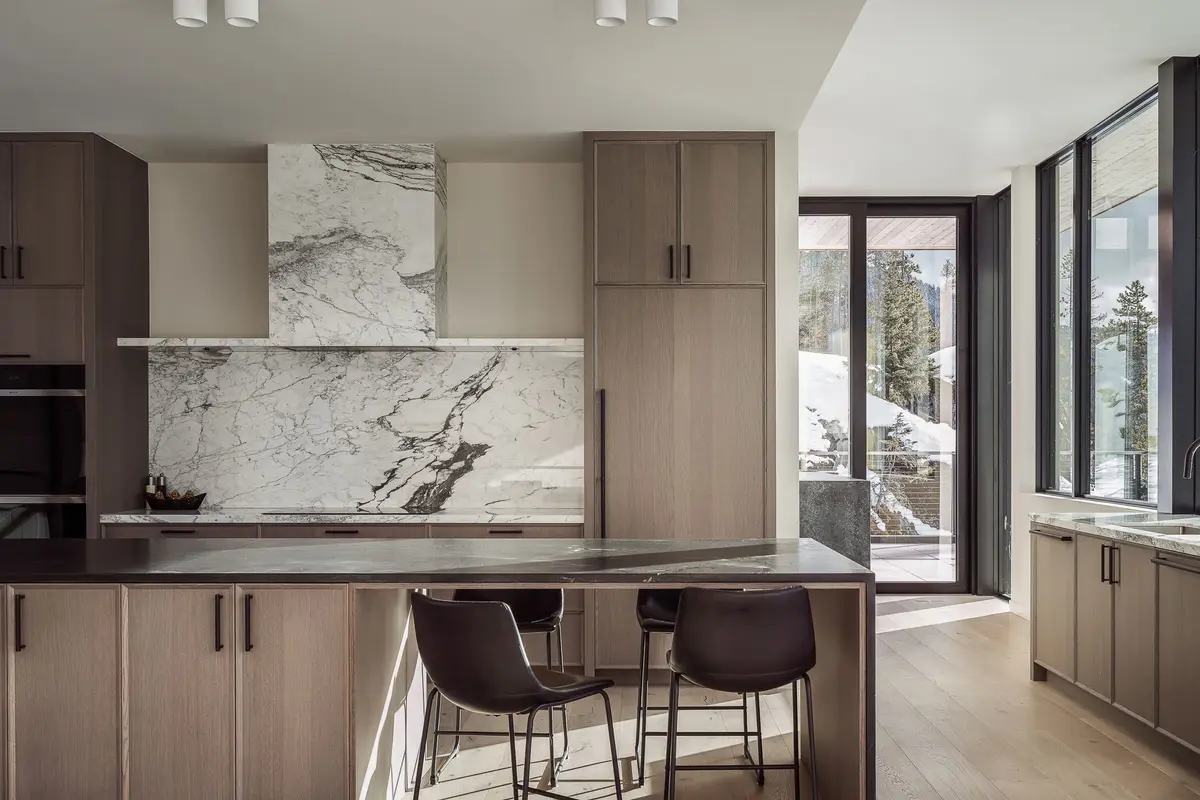
This is a subtle but profound difference. A real estate photo of a kitchen shows you the cabinets, the countertops, the appliances, and the layout. An architectural photo might focus on how the island's waterfall edge meets the floor, or the relationship between pendant lights and the ceiling plane.
The Shelf Life Is Different
Real estate photos serve a listing. When the property sells, the photos are done. They might live on Realtor.ca for a few weeks or months. Then they disappear.
Architectural project photos serve a practice. They live on the builder's website for years. They get submitted for awards. They appear in proposals to prospective clients. They're pitched to publications. They're used in social media for months. A strong set of architectural images from a single project might generate value for five years or more.
When you amortize the cost of architectural photography over its useful life and across its multiple applications, the per-use cost is negligible.
When Real Estate Photography Is the Right Choice
To be clear, real estate photography isn't bad photography. It's a different product designed for a different purpose. If you're a developer selling spec homes or a realtor listing a property, real estate photography is exactly what you need.
But if you're a custom builder, an architect, or an interior designer who wants to build a portfolio, win awards, attract high-end clients, and establish a visual brand, real estate photography will actively undermine those goals. It's the wrong tool for the job.
The images that represent your firm should be as considered as the work itself.
Real Estate Photography
1-2 hour shoot
25-40 images
Uniform flash lighting
Wide angle emphasis
5-10 min edit per image
Serves a listing for weeks
$200-$500 per session
Architectural Project Photography
6-10 hour shoot
15-25 images
Natural light priority
Composed for design intent
30-60 min edit per image
Serves your brand for years
Investment scaled to project scope
The Question to Ask Yourself
When you're deciding how to photograph your next completed project, the question isn't "how much does photography cost?" The question is "what do I want these images to do for my business?"
If the answer is "help sell this specific property," call a real estate photographer.
If the answer is "represent my firm's capabilities to future clients, support award submissions, build my portfolio, generate social media content, and communicate the quality of my work for years to come," that's a different conversation entirely.