Journal
Seasonal Considerations for Architectural Photography in British Columbia
When to schedule architectural photography in BC -- light, landscaping, and weather by season.
British Columbia presents diverse climates stacked by elevation and geography. The photographer who treats all of BC like a single shooting condition is missing the most important variable in architectural photography: timing. Season selection, time of day, and weather responsiveness determine image quality more than equipment. This guide covers the Sea-to-Sky corridor, Sunshine Coast, and greater Vancouver regions.
Spring: March Through May
March and early April deliver inconsistent conditions -- rain, cloud breaks, and occasional sun. Light breaks through overcast skies create dramatic, directional qualities suitable for exteriors, but timing remains unpredictable requiring schedule flexibility.
The Landscaping Challenge
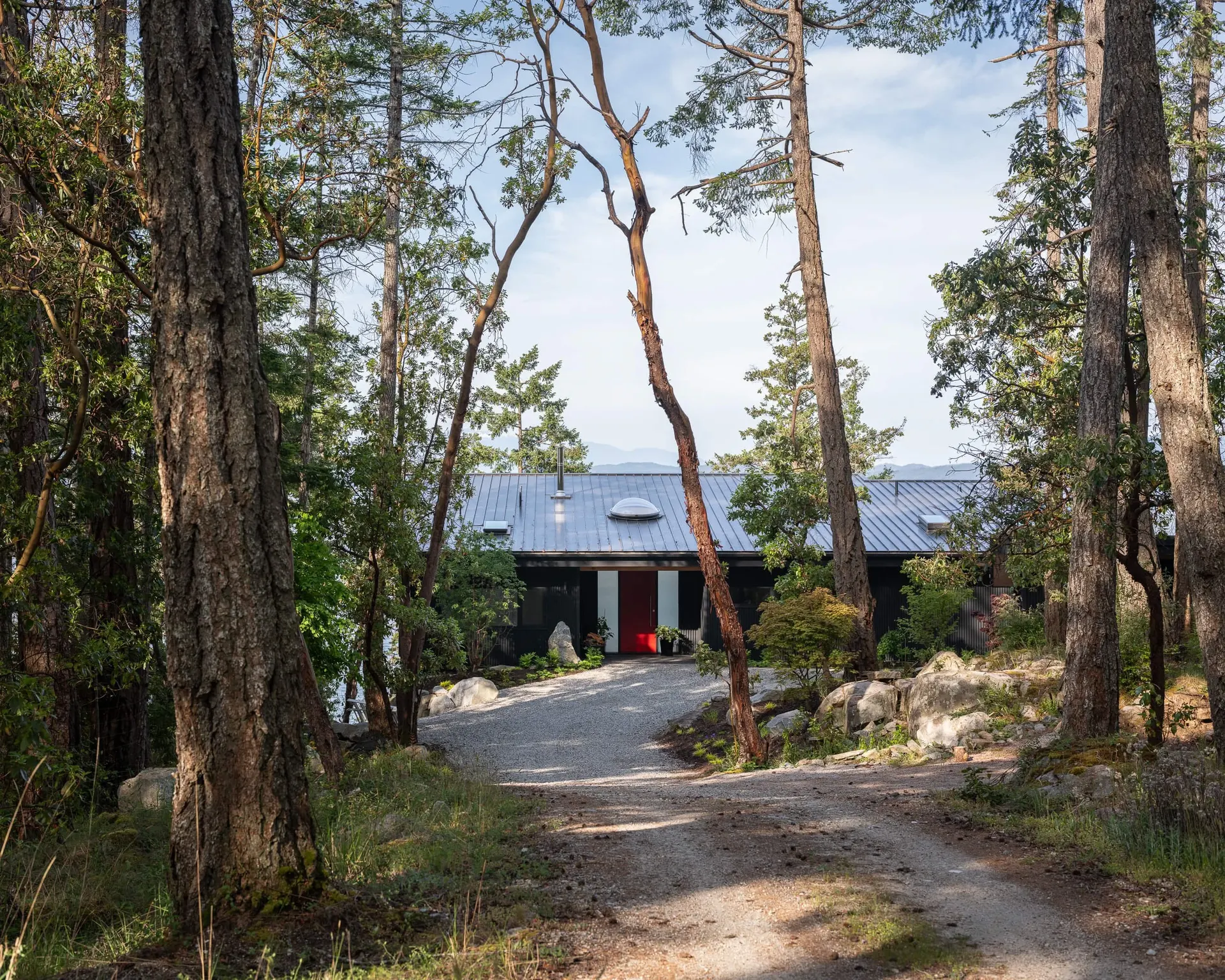
Many BC projects complete in late winter or early spring before landscaping establishes. Bare garden beds, newly planted hedges lacking density, and dormant deciduous trees photograph as unfinished. Waiting until May or June allows plantings to fill in and green season to begin.
The Advantage
Spring offers a useful balance between daylight hours and twilight timing. By April, sunset reaches 8pm, providing workable twilight windows without summer's extremely late schedules. Late afternoon light quality appears warm and pleasant, while overcast days remain excellent for interiors.
Summer: June Through August
Summer delivers maximum daylight and lush landscaping, making it the preferred client season. However, this period introduces underestimated challenges.
Harsh Midday Light
From 11am to 3pm on clear summer days, high direct sun creates harsh shadows, extreme lit/shade contrast, and blown-out sky highlights. Quality exterior photography occurs in the first two hours after sunrise and final two hours before sunset when light angles warmly. Midday serves interior shooting.
Late Twilight
Summer solstice sunset exceeds 9pm in the Sea-to-Sky corridor, with usable twilight extending past 9:30pm. This produces deep blue sky with warm interior glow but requires client comfort with late schedules -- potentially 10pm wrap times in Whistler.
Wildfire Smoke
This increasingly significant July and August factor reduces visibility, eliminates mountain views, creates warm colour cast, and produces flat diffused light lacking architectural crispness. Years vary considerably; contingency planning is essential with critical exterior work scheduled for June or early July before peak fire season.
Sunshine Coast Advantage
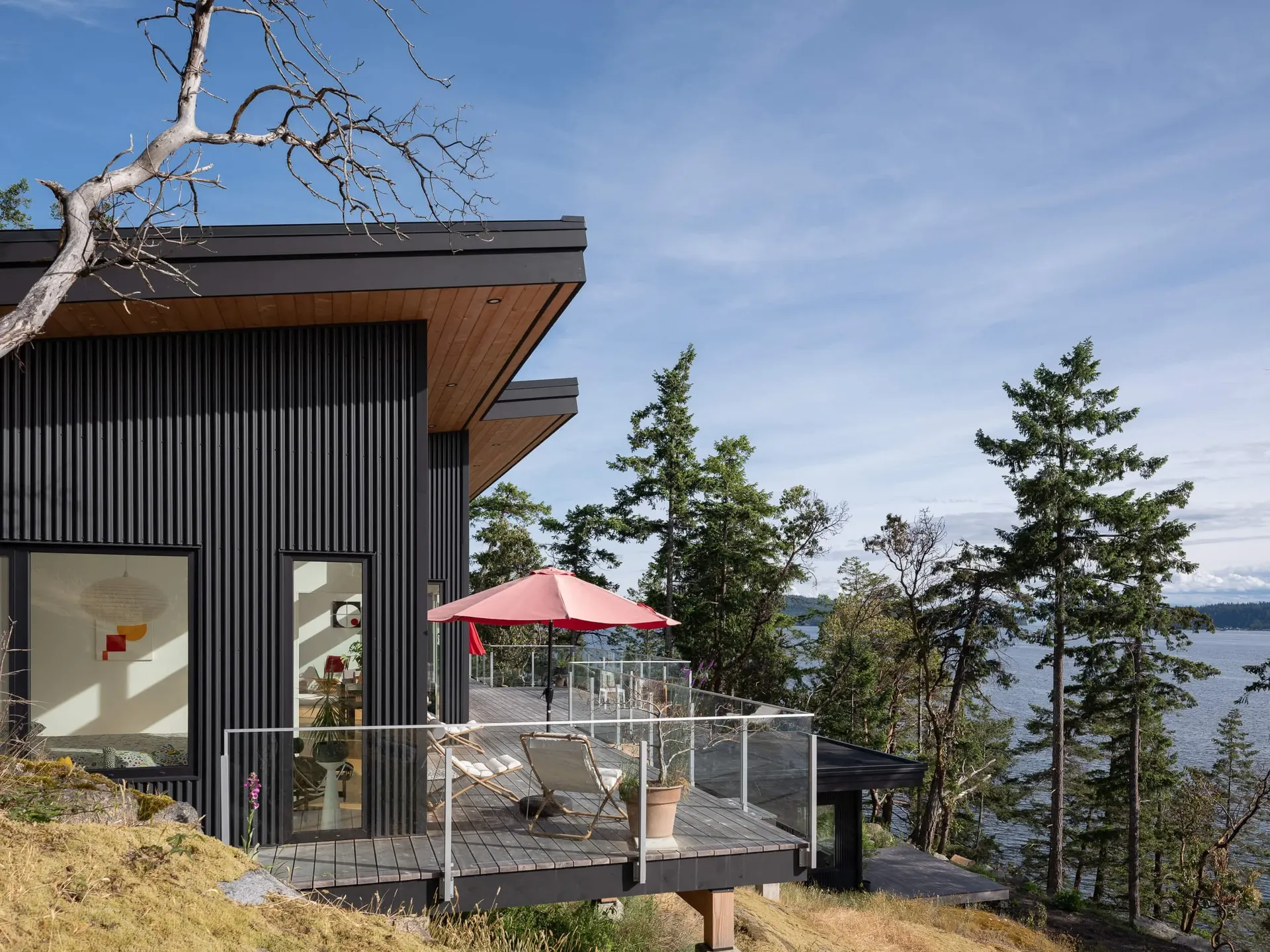
Summer provides calm water conditions where ocean-view properties benefit from glassy reflections adding depth and drama to context views.
A cedar-clad home framed by golden maples is a different image than the same home against uniform green. Seasonal contrast adds visual interest communicating place.
Autumn: September Through November
Autumn represents the ideal shooting season for many Sea-to-Sky corridor projects for practical, aesthetic, and logistical reasons.
September and Early October
These months combine summer and winter's best qualities -- warm light, established landscaping, clean air (smoke typically ends by late August), and civilized twilight windows landing 6:30-7:30pm. Lower sun angles produce warm, directional light architectural photography requires without harsh midday conditions.
Deciduous tree colour transforms exterior compositions. Seasonal contrast adds visual interest communicating place and time in ways that uniform green cannot.
Late October and November
This window grows riskier. Rain increases in consistency, deciduous trees shed leaves, and landscaping appears dormant. Daylight compresses to approximately nine hours by late November, making this period too narrow and unpredictable for exterior-focused shoots. Interior-focused projects benefit from soft, even overcast light ideal for capturing material quality and spatial atmosphere.
Winter: December Through February
Winter divides into two distinct architectural photography conditions.
Coastal BC
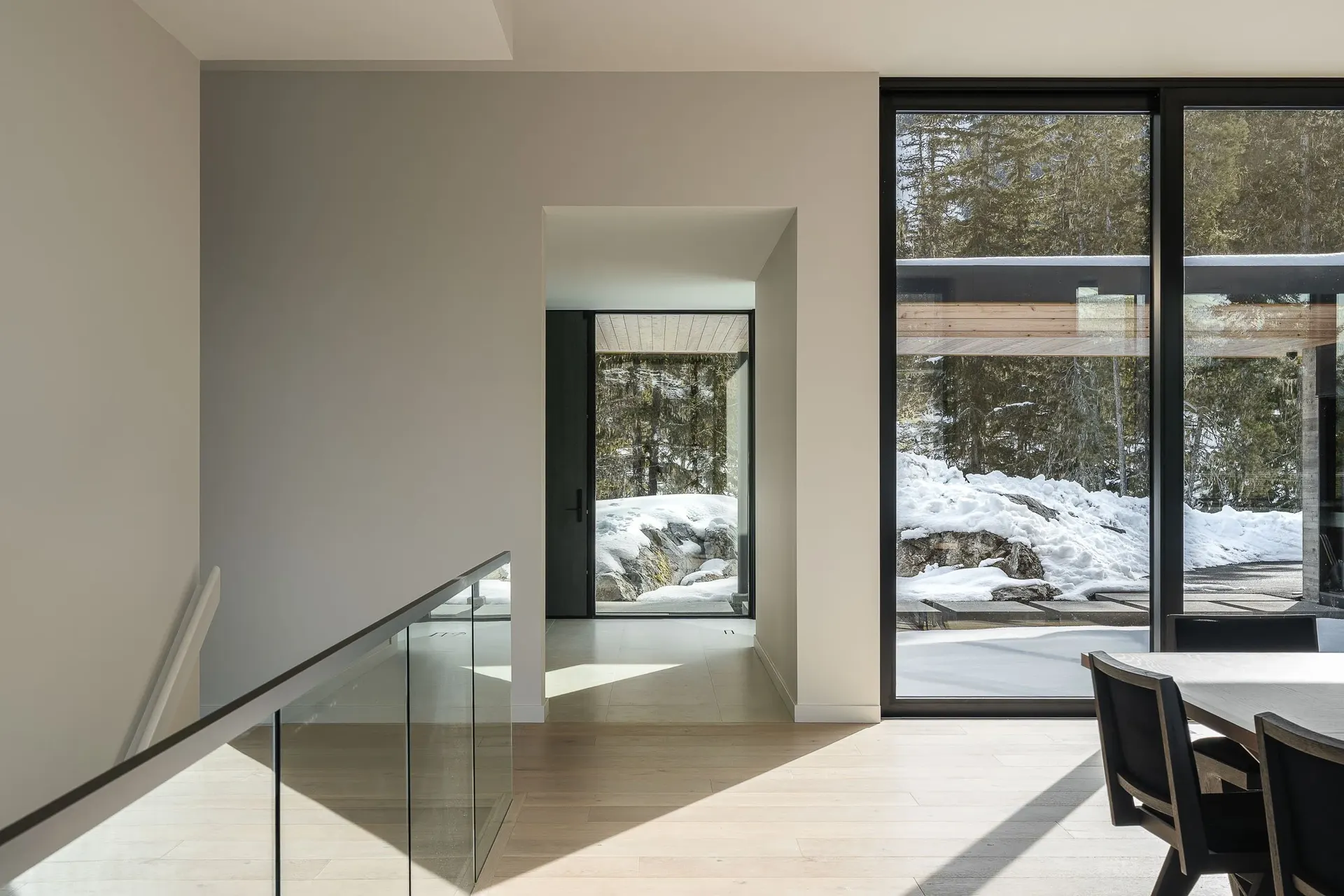
Grey, wet winters feature overcast skies, frequent rain, and limited daylight -- roughly eight hours at solstice. Without direct sun, exterior surfaces read flat and materials lose texture and depth. However, interiors photograph beautifully under winter overcast: soft, even light without harsh window glare, plus moody atmosphere enhancing warm interior palettes.
Alpine BC
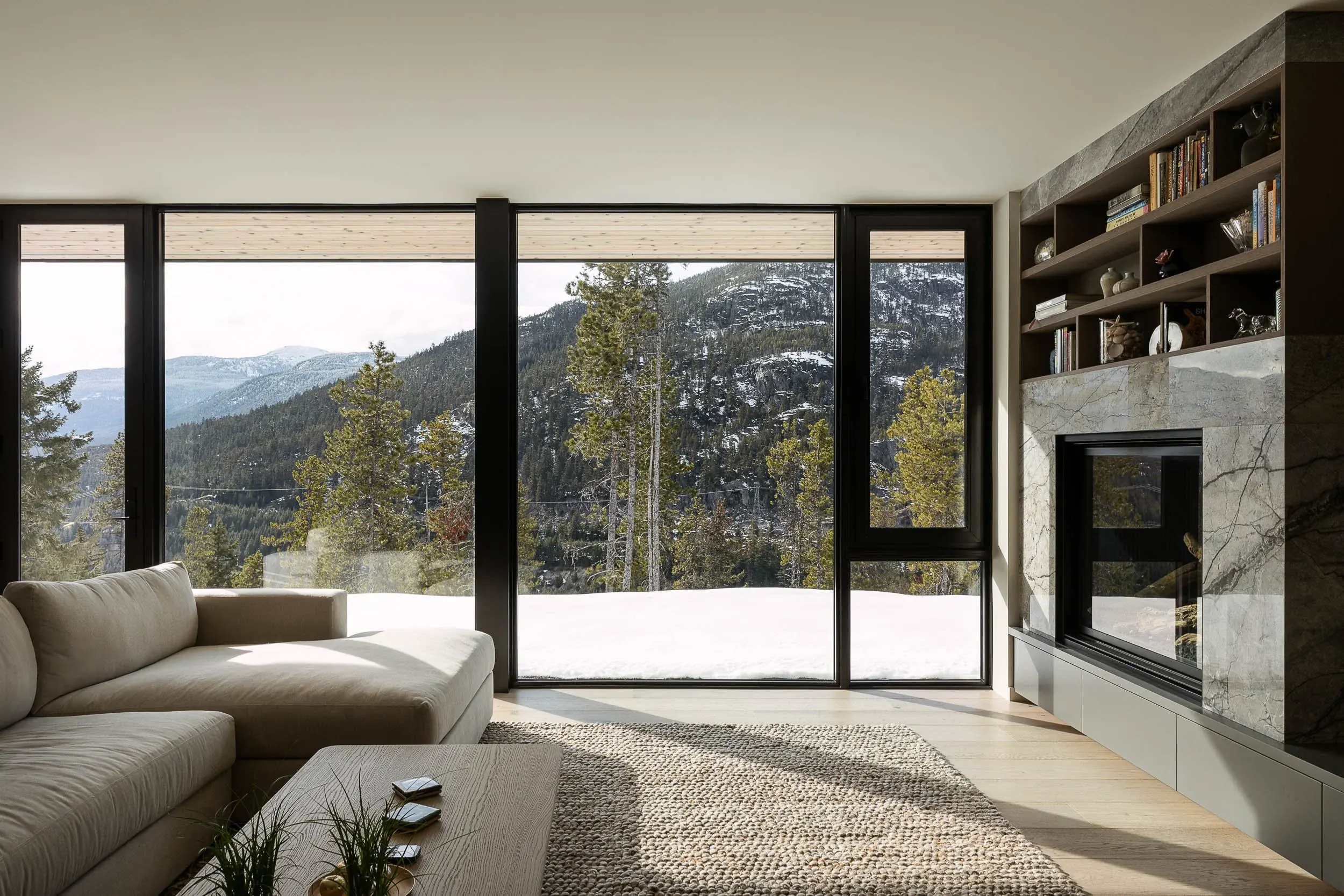
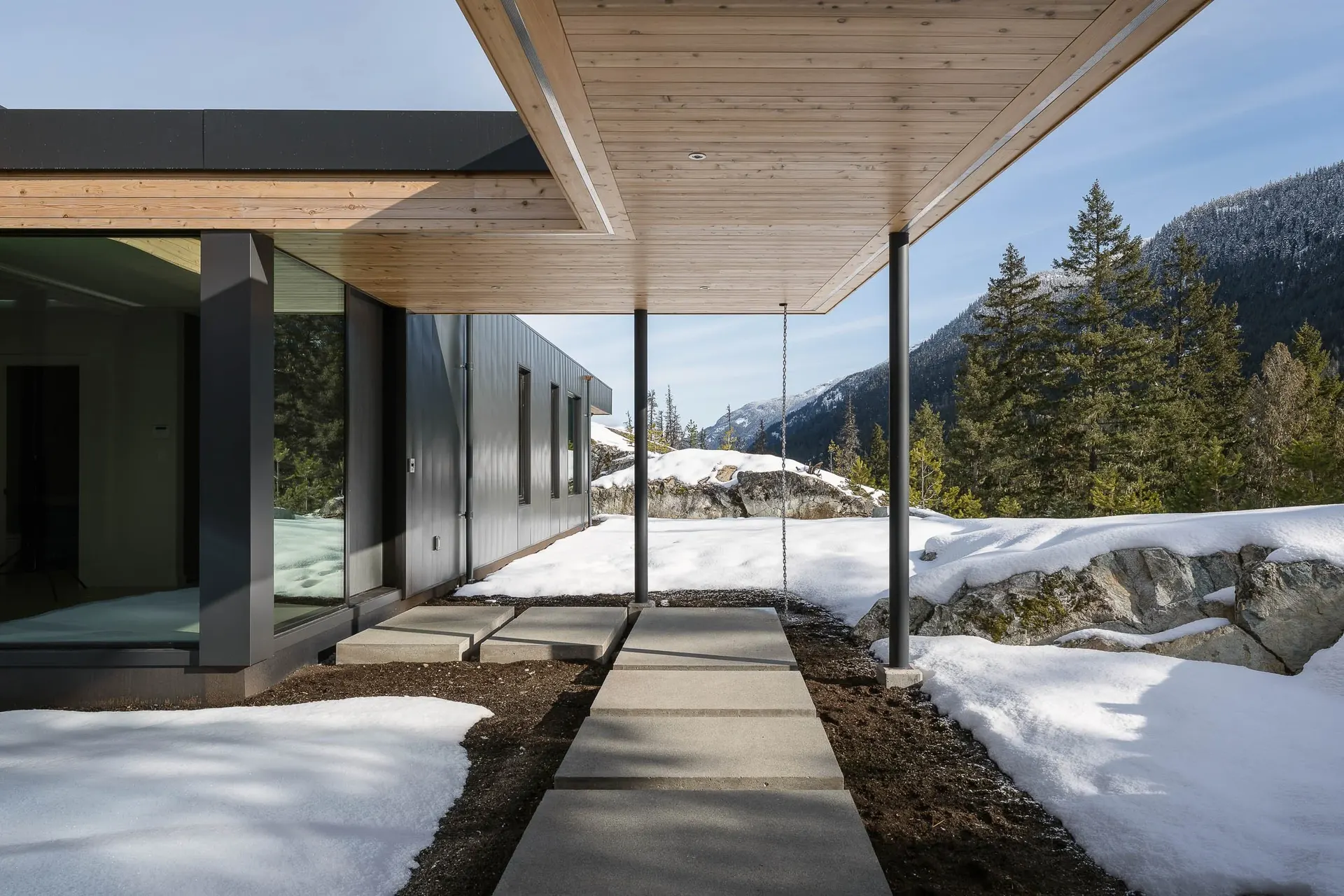
Snow changes everything. Snow-covered projects rank among the most compelling residential architecture subjects. Contrast between warm interiors and cold white surroundings, simplified landscape, and sculptural roofline qualities create emotional resonance unmatched by other seasons.
Timing Challenge
Best snow shots occur 24-48 hours after significant snowfall -- fresh enough appearing pristine yet settled enough showing visible architectural details with plowed driveways. This requires close weather forecast monitoring and shoot-on-notice readiness. Rigid schedules do not work; flexibility and responsiveness prove essential.
Winter Twilight
Compressed but powerful. December sunset around 4:15pm creates 30-minute twilight windows between 4:30-5pm. Everything requires staging and lighting before 4pm or the opportunity vanishes.
Seasonal Quick Reference
| Season | Best For | Key Details |
|---|---|---|
| Sept - Mid Oct | Overall shooting | Warm light, established landscaping, clean air, workable twilight |
| Dec - Feb (Alpine) | Snow exteriors | Requires weather flexibility, quick response to fresh snowfall |
| Any overcast day | Interiors | Soft even light captures material quality and spatial atmosphere |
| Late Oct - Nov | Avoid for exteriors | Dormant landscaping, unpredictable weather, limited daylight |
| Late Jul - Aug | Smoke risk | Wildfire smoke reduces visibility, eliminates mountain views |
| Twilight | All seasons | 30 minutes (December) to 60+ minutes (June); stage and light before sunset |
Working With Rain
Rain is not cancellation -- it is schedule adjustment. In a six-month rain climate, treating every rainy day as lost prevents project completion.
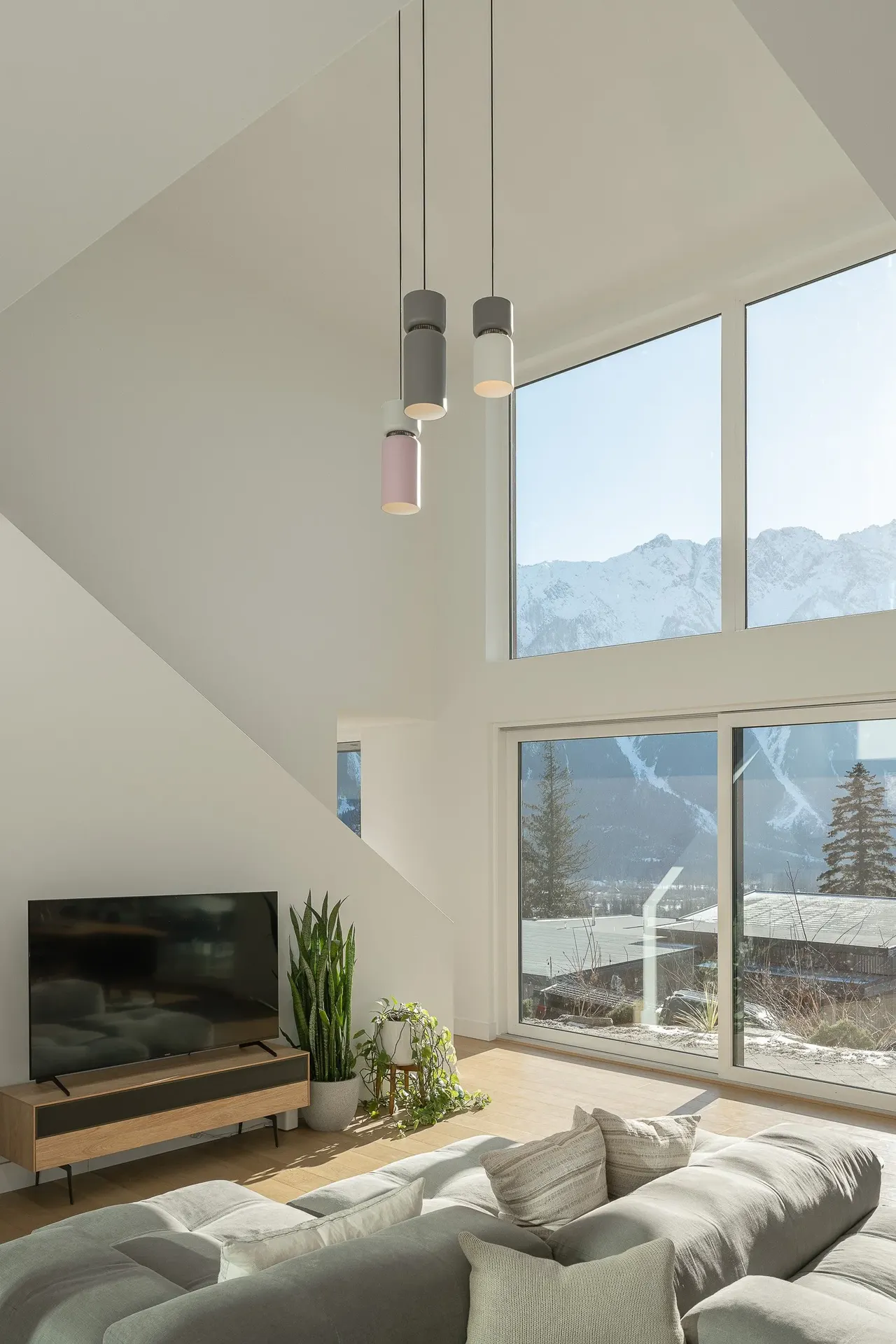
The strategy: prioritize interiors on overcast and rainy days. Soft diffused grey-sky light represents the best interior photography condition, eliminating direct sun hot spots on floors and harsh wall shadows. Even light wraps around spaces revealing material textures and accurate colour that direct sun overpowers.
Exteriors and aerials reschedule to the next clear or partly cloudy day. Most projects split across two sessions -- an interior day (rain-independent) and exterior day (weather-dependent) -- producing superior results versus forcing everything into single days regardless of conditions.
The Golden Hour Myth
Golden hour -- warm first and final hour light -- presents as the only acceptable exterior photography time. BC context requires qualification.
Golden hour excels when achievable. Low angles create dimensional shadows. Warm colour temperature flatters cedar, stone, and natural materials. Soft intensity balances interior and exterior exposure.
However, golden hour is not guaranteed in the Sea-to-Sky corridor. Mountains flanking valleys block direct sun well before actual sunset, particularly in winter. North-facing valley properties never receive traditional golden hour. Properties surrounded by tall trees see direct light only during midday windows.
Understanding specific site light conditions matters more than generic golden hour chasing. Site visits answer critical questions about actual best-light timing versus assumptions.
Matching Season to Design Intent
A mountain lodge designed around a massive stone fireplace and warm timber interiors tells a more compelling story in winter showing snow on the roof and visible fire. July shooting misses the point.
Coastal homes designed for indoor-outdoor flow with sliding glass walls opening to decks and ocean views tell stories best in summer or early autumn when outdoor spaces remain usable and landscape appears alive.
Net-zero homes designed for energy performance might photograph in both winter and summer showing the building performing under both extremes.
The season is not just a scheduling convenience. It is a compositional choice that shapes how the viewer understands the project.
Continue Reading
Contact
Planning a shoot in any season?
Let's find the right timing for your project's orientation, materials, and design story.
or email info@mattanthonyphoto.com